

Turquet de Beauregard viewpoint
Perros-Guirec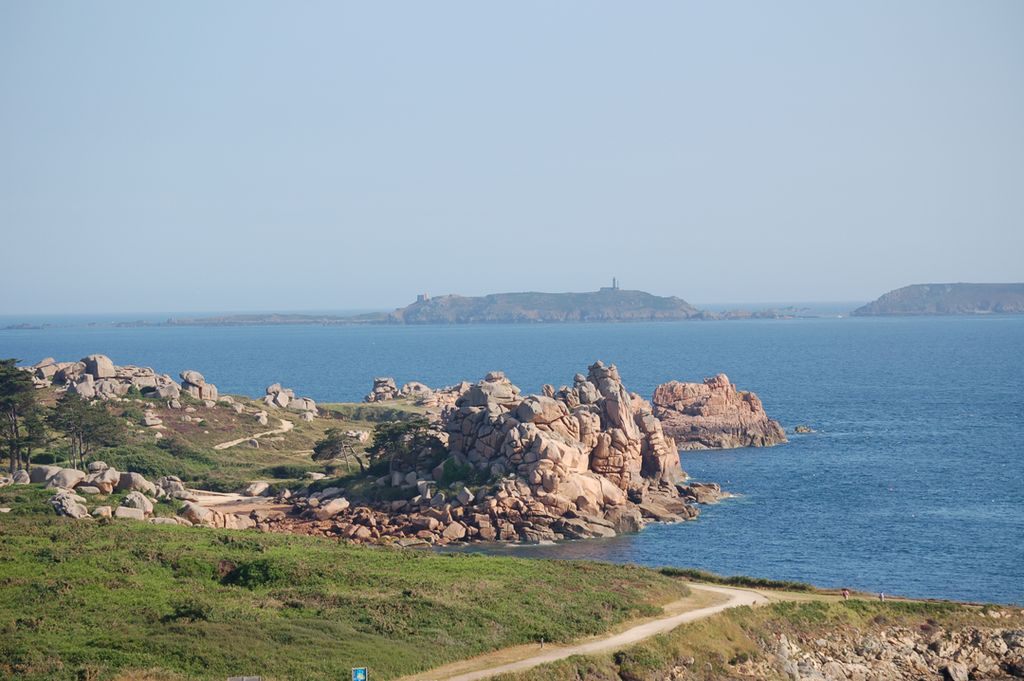
About
If you visit this spot at low tide, you will be able to see two types of rocks juxtaposed. The gneiss of Trébeurden is the older rock as it goes back more than two billion years. It is recognisable by its dark colour and jagged shape which contrasts with the pink granite, which is more rounded and much newer. In the distance, you can make out the Sept-Îles archipelago which today is home to a nature and bird reserve.


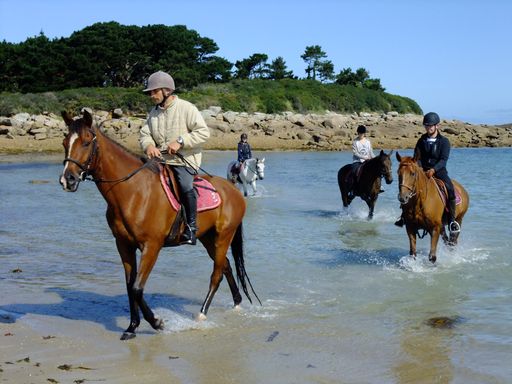

Bringwiller and Kerlavos Bay
Trégastel
There is evidence of very early human religious and economic activity in this area. Its name, Brenn Guiler, meaning "hill of the Roman village", bears testament to the presence of the Romans in...  See
See
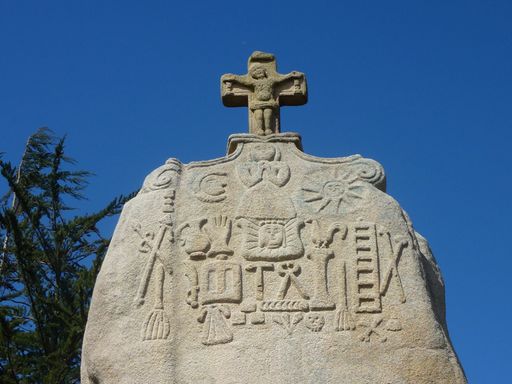

Saint Uzec menhir
Pleumeur-Bodou
A menhir 7.40 m high and 2 m wide stands in Saint-Uzec. Imagine our Neolithic ancestors transporting this huge block of granite weighing 60 tonnes! These megaliths probably fulfilled a religious... See
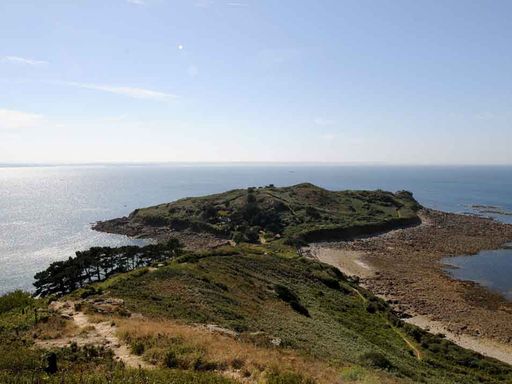
Bihit Point
Trébeurden
Jutting out into the sea, Bihit Point offers a magnificent panoramic view. The grey, jagged rock which forms this headland and the small island to its left, Île Mignonne, is the oldest in Europe. It... See
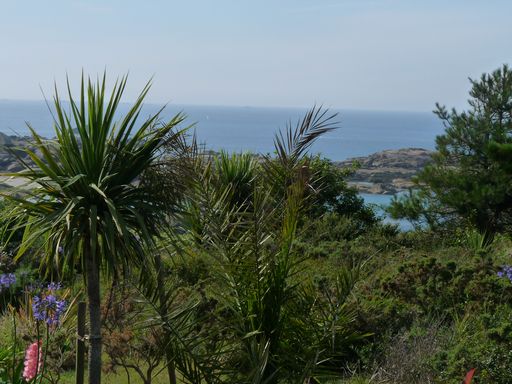
The Viewpoint
Trégastel
If you climb to the viewpoint, you can enjoy a magnificent panoramic view of the coast and the surrounding area. On the hill, you will also notice an old viewpoint indicator in very good condition.... See