

Ploumanac‘h lighthouse and rocks
Perros-Guirec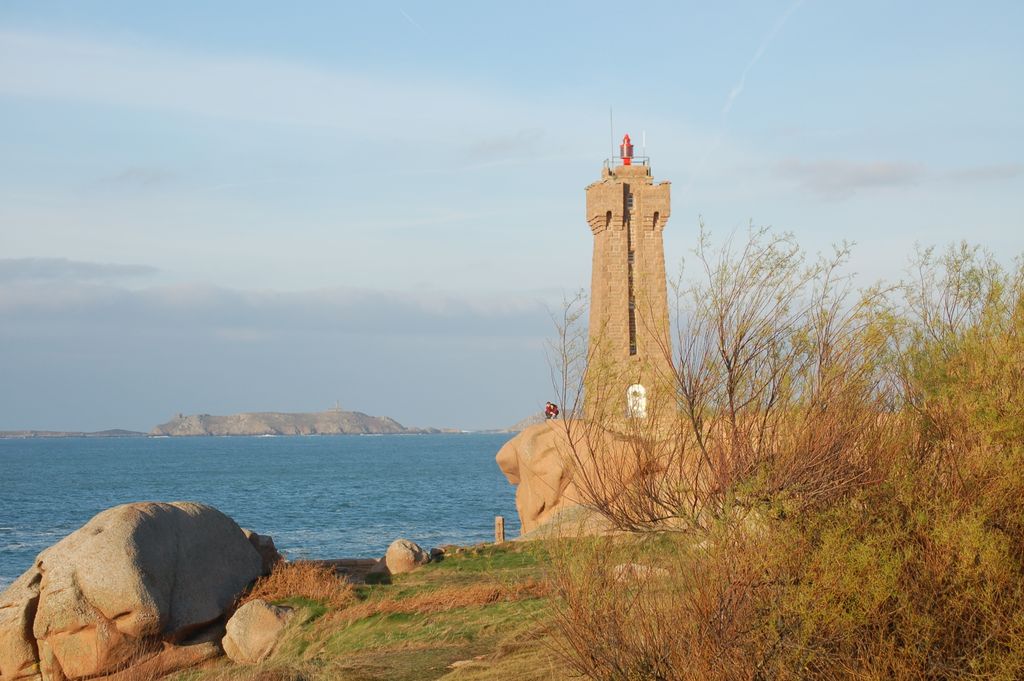


About
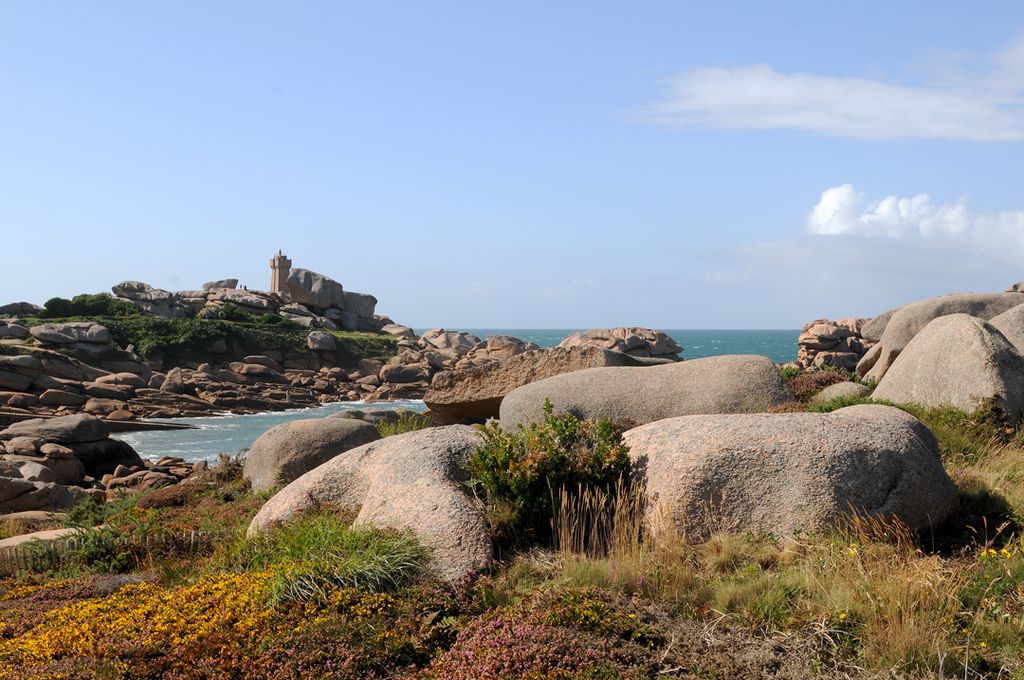
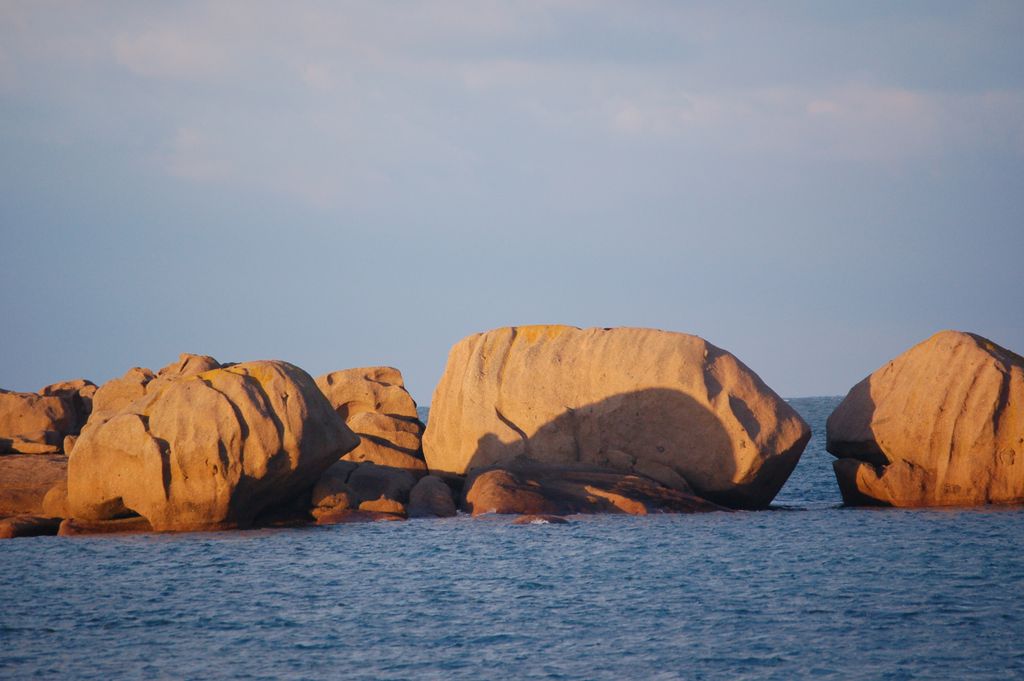
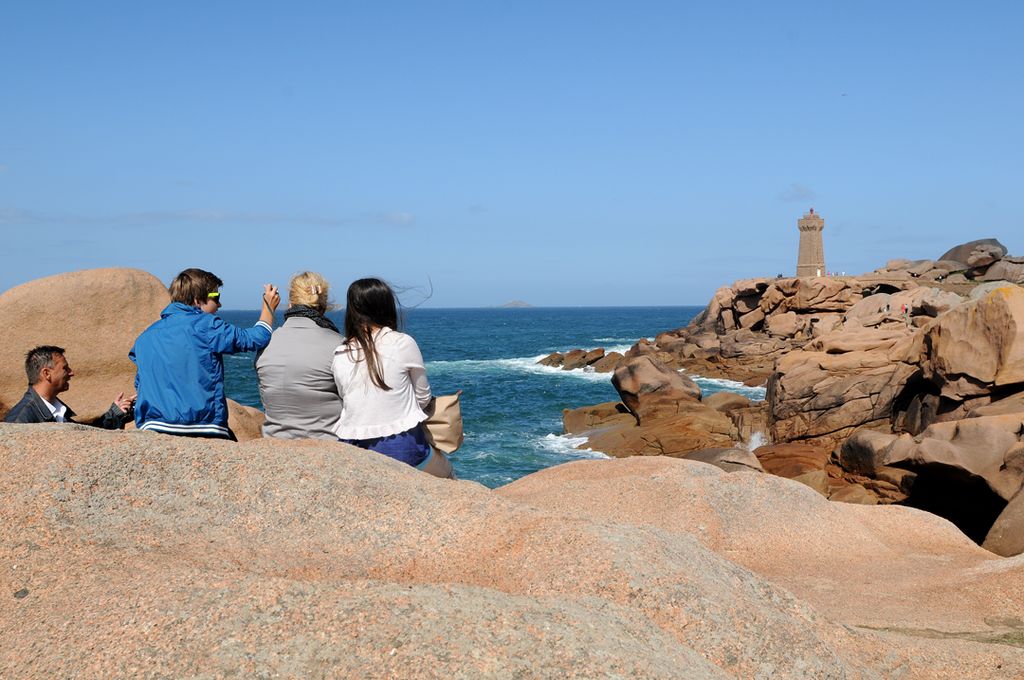
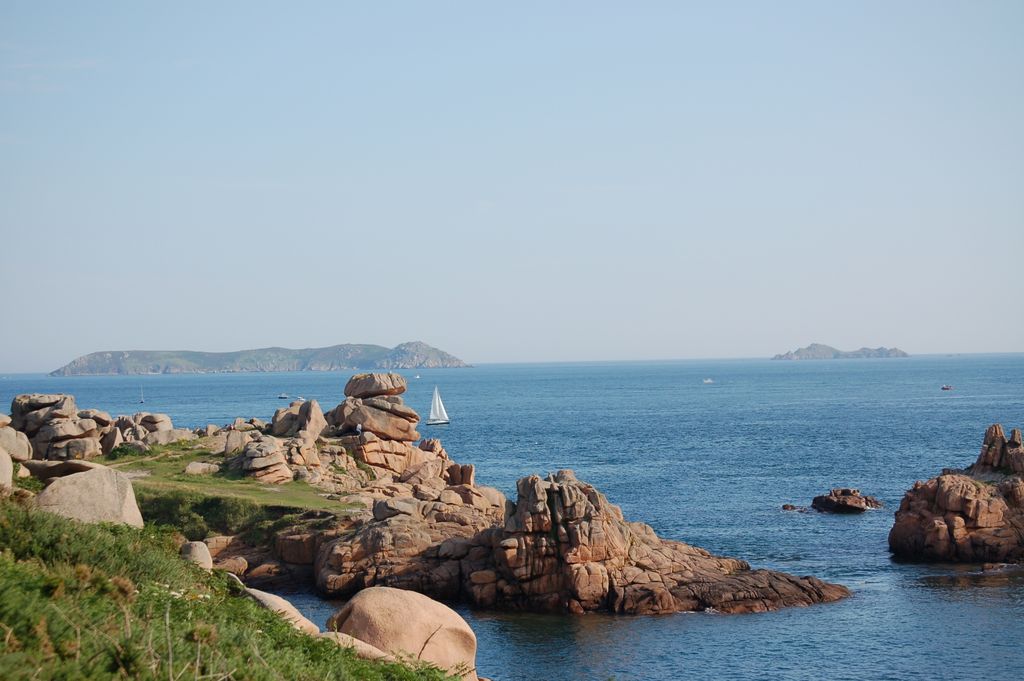
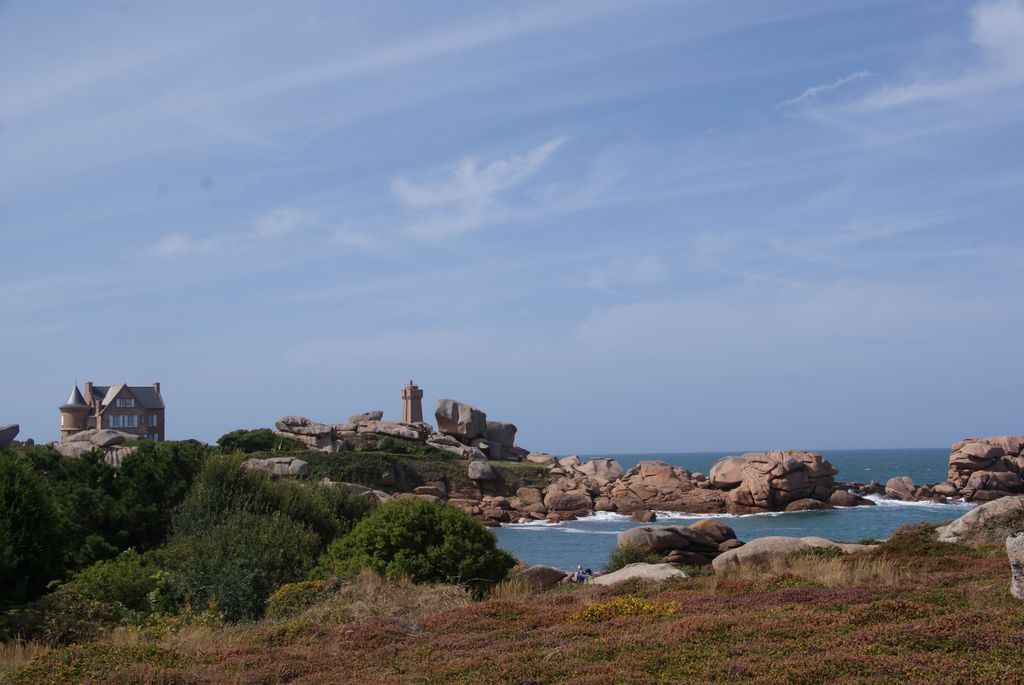
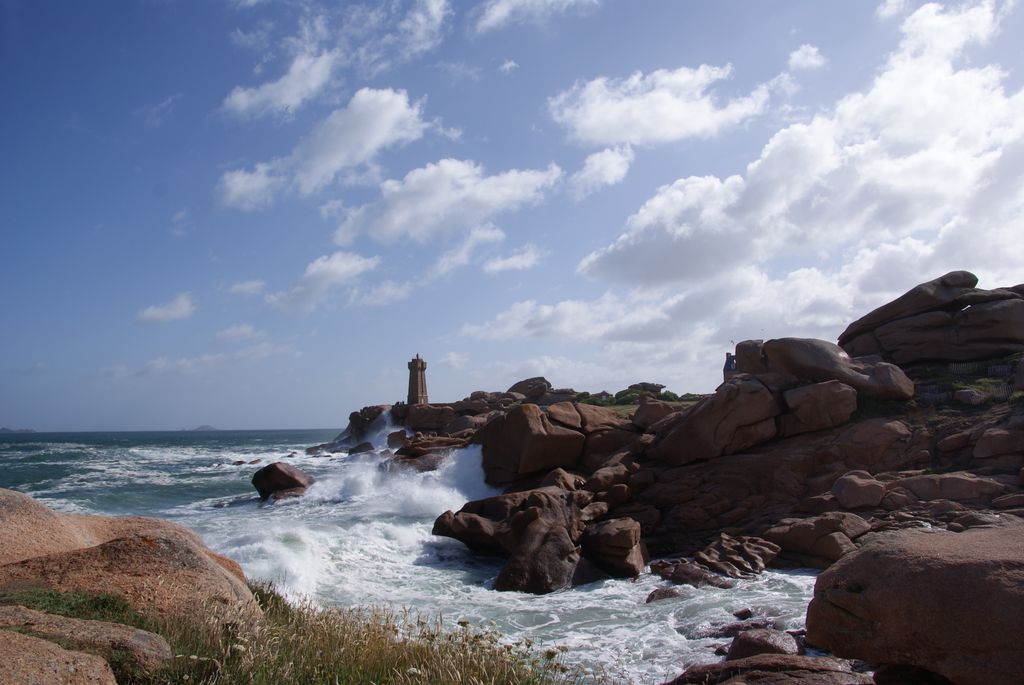
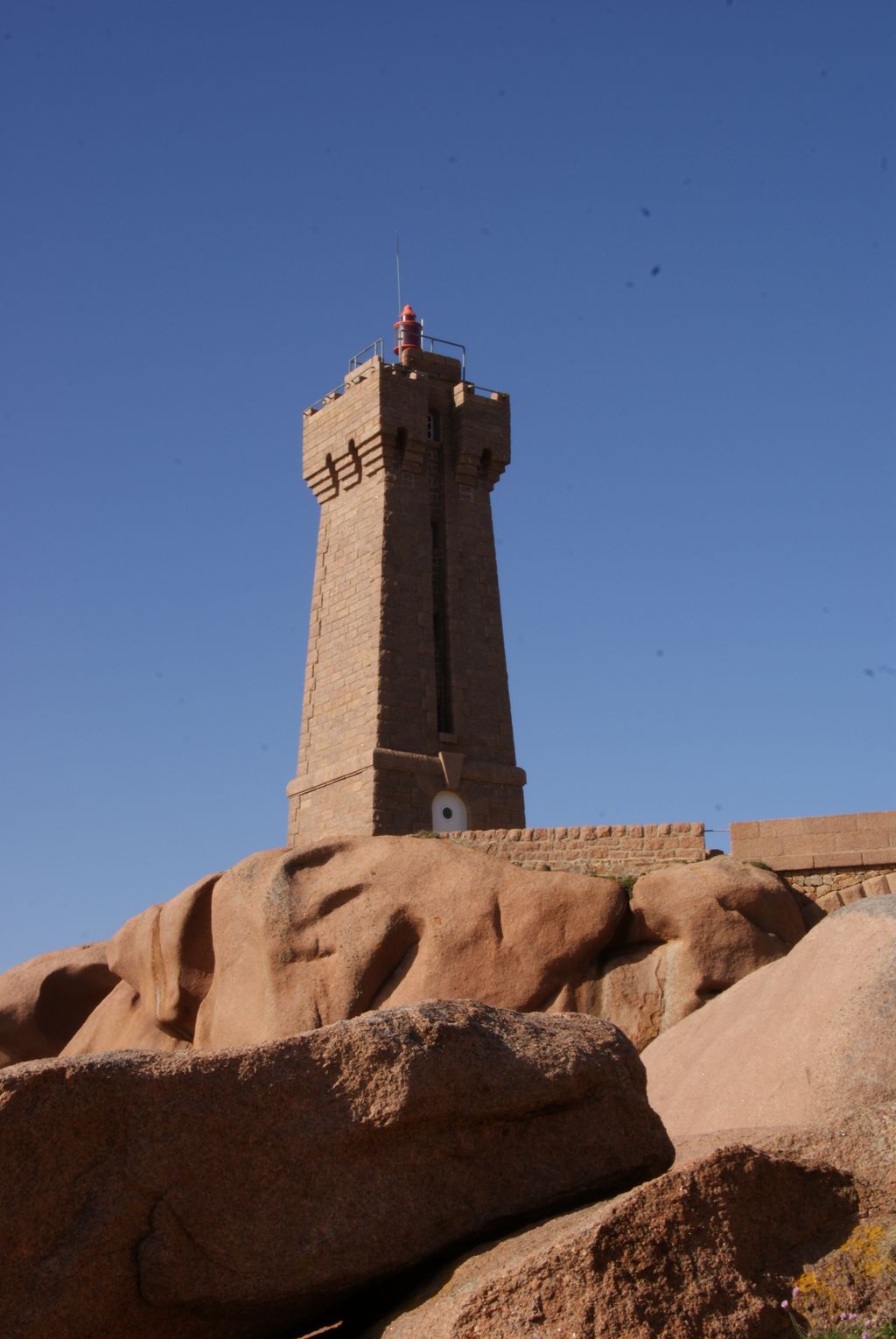
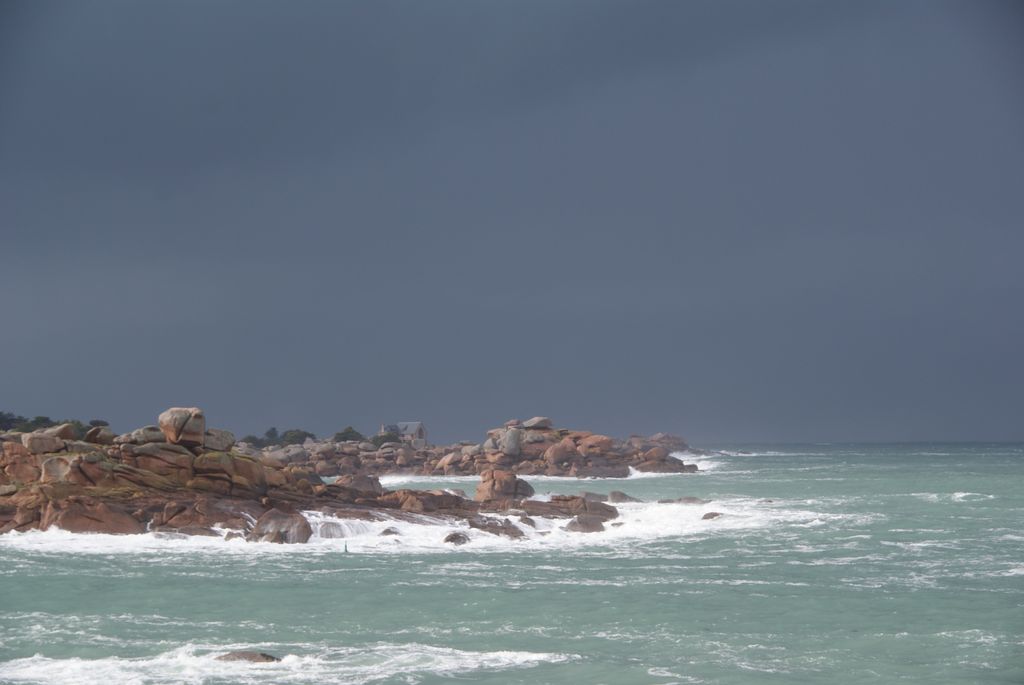
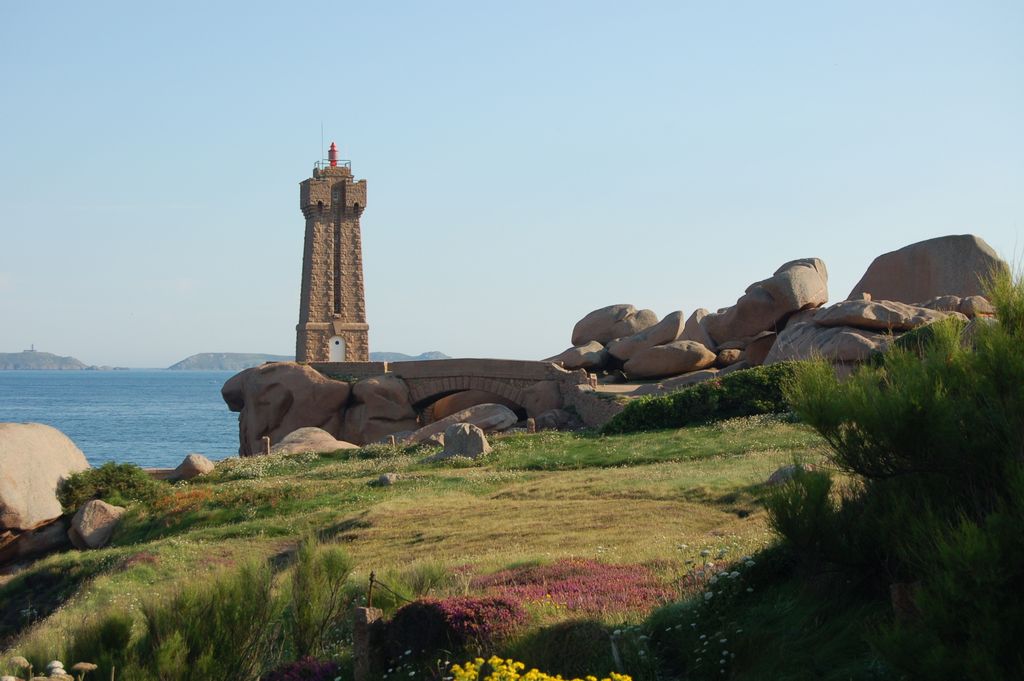
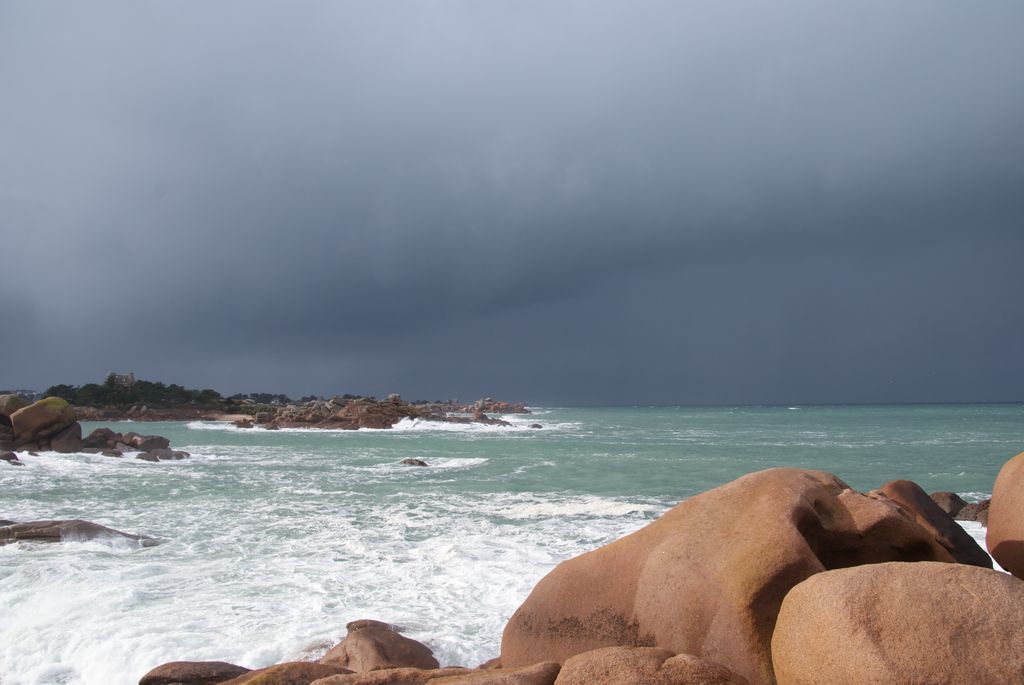
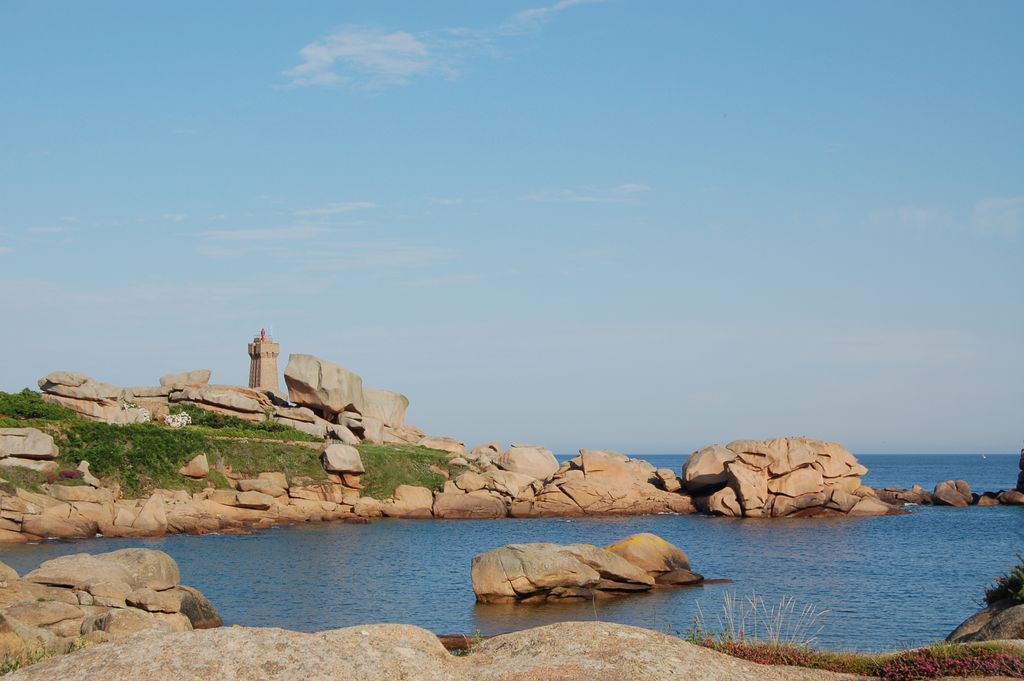
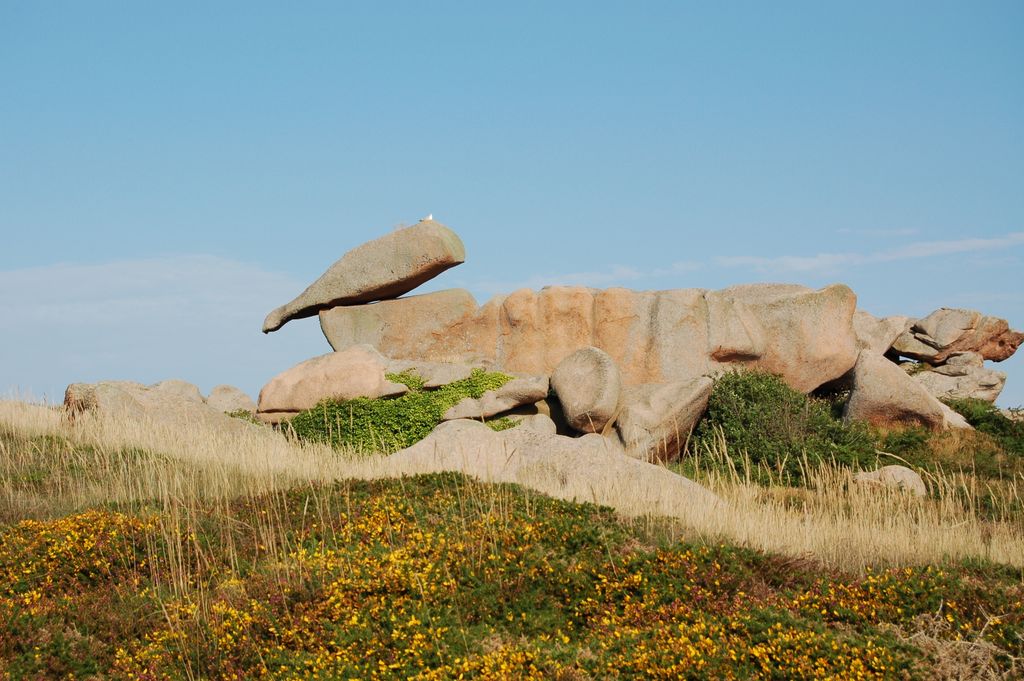
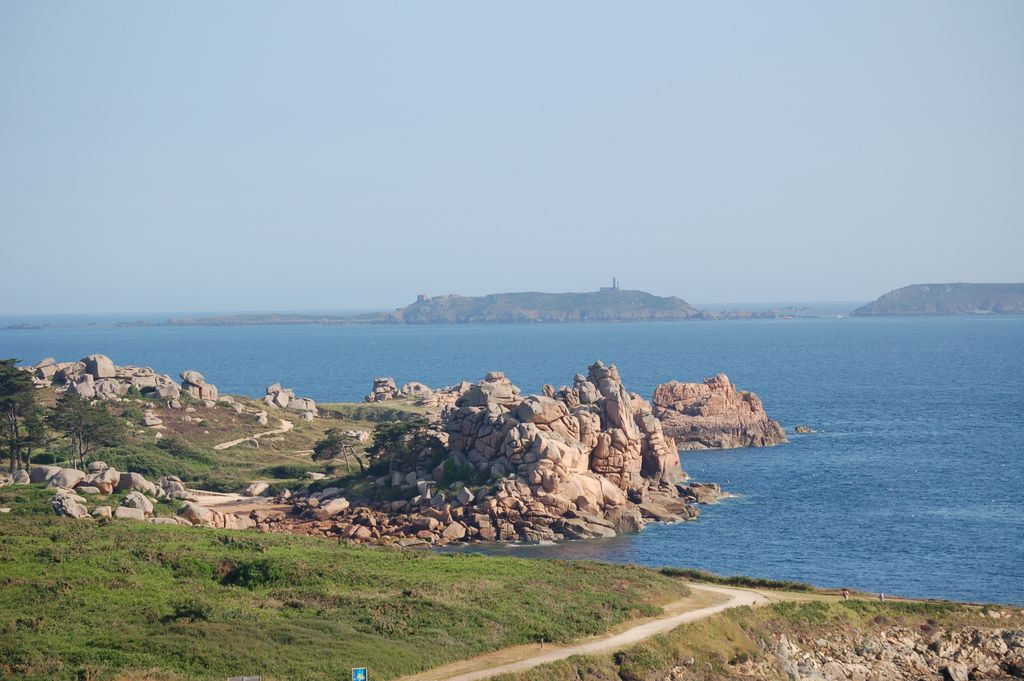
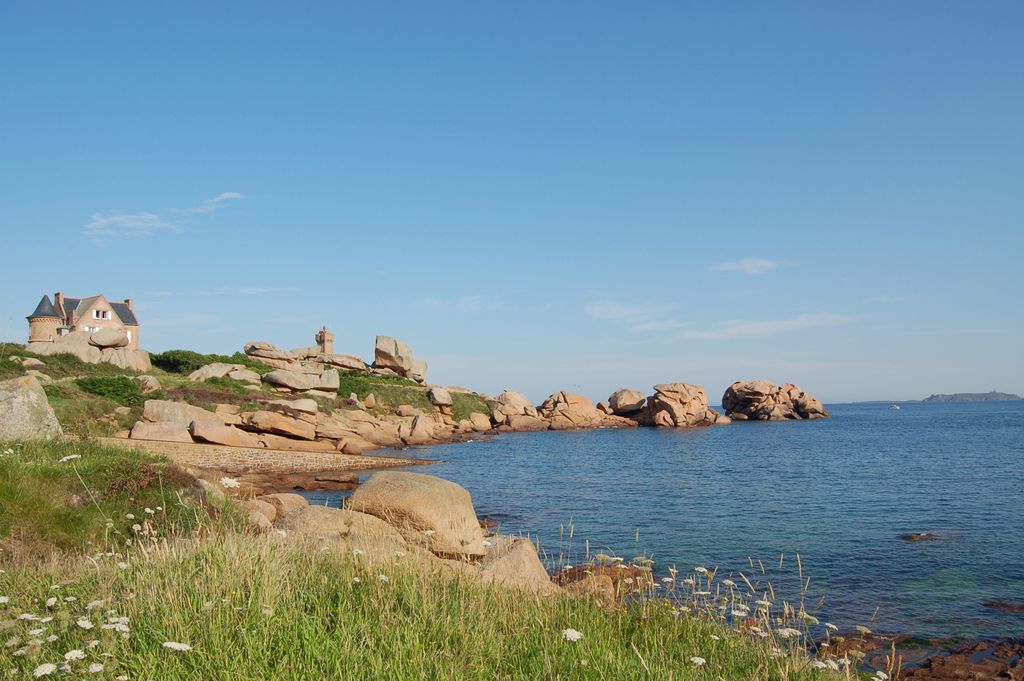
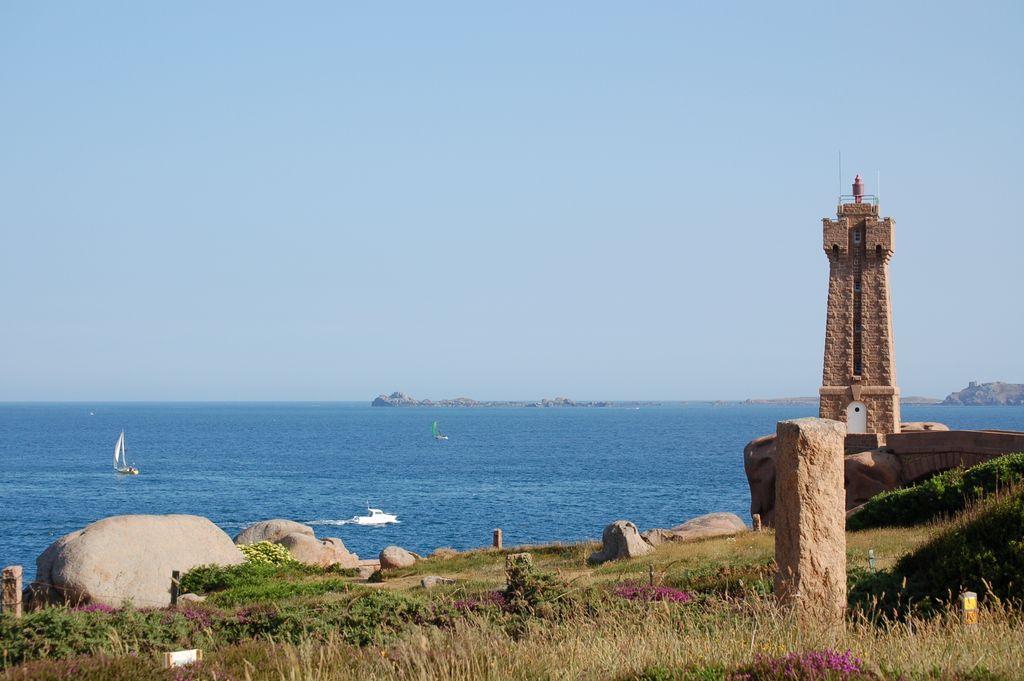
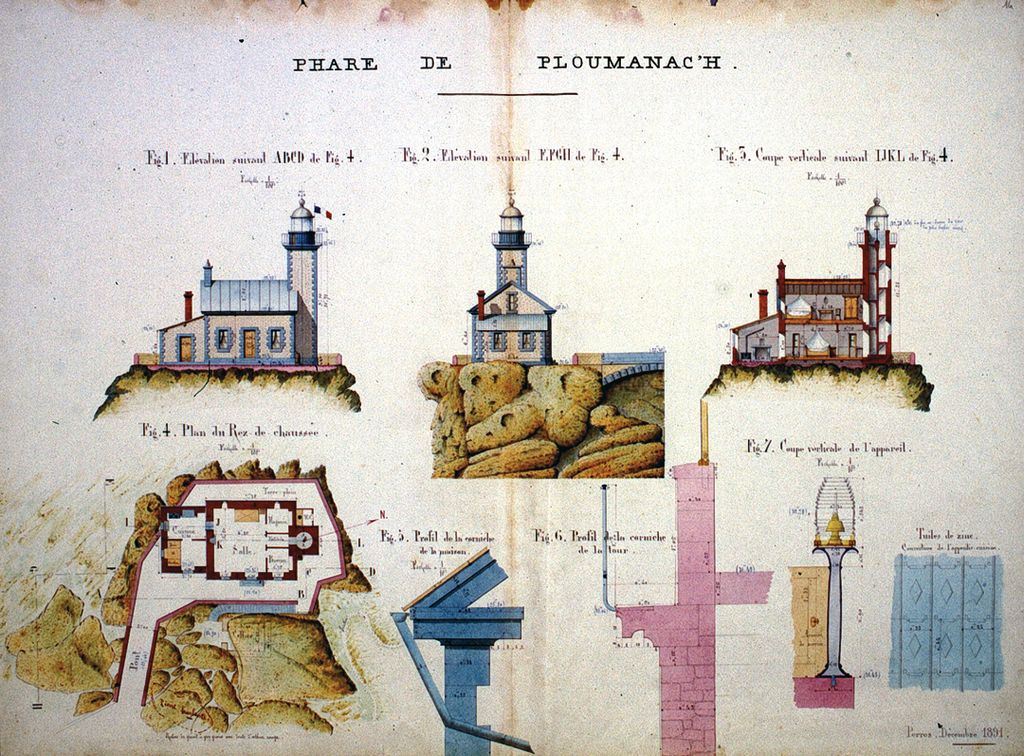
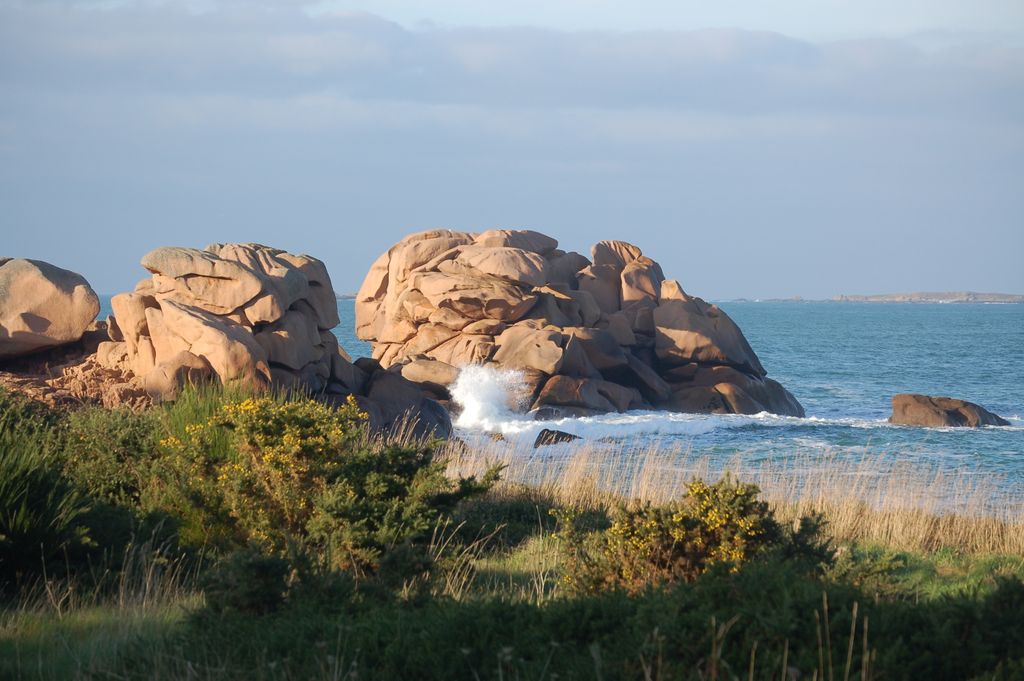
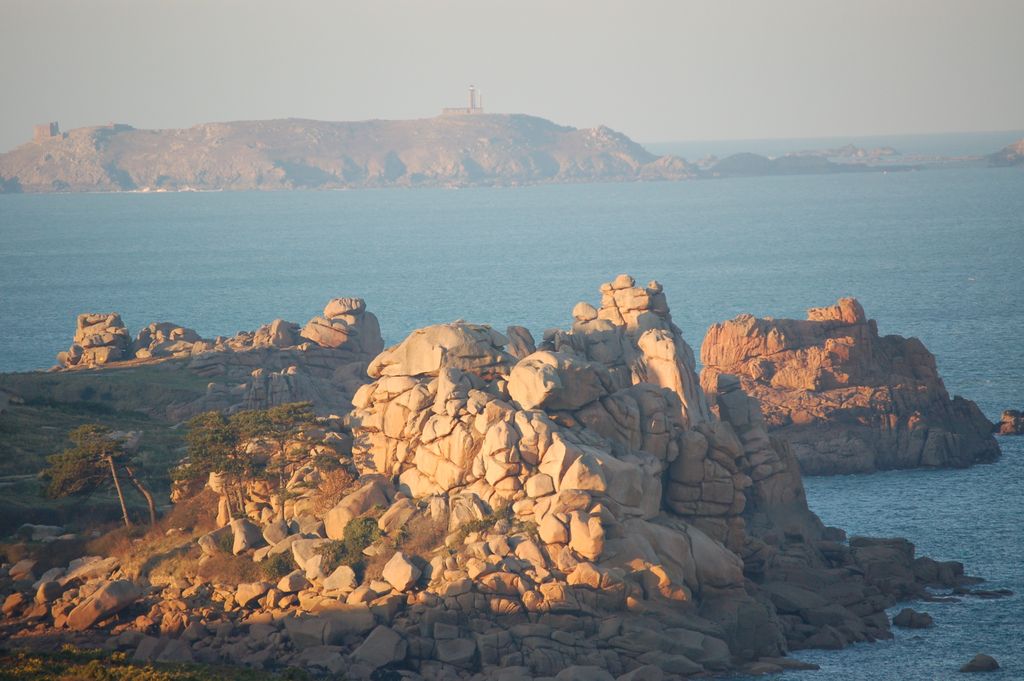
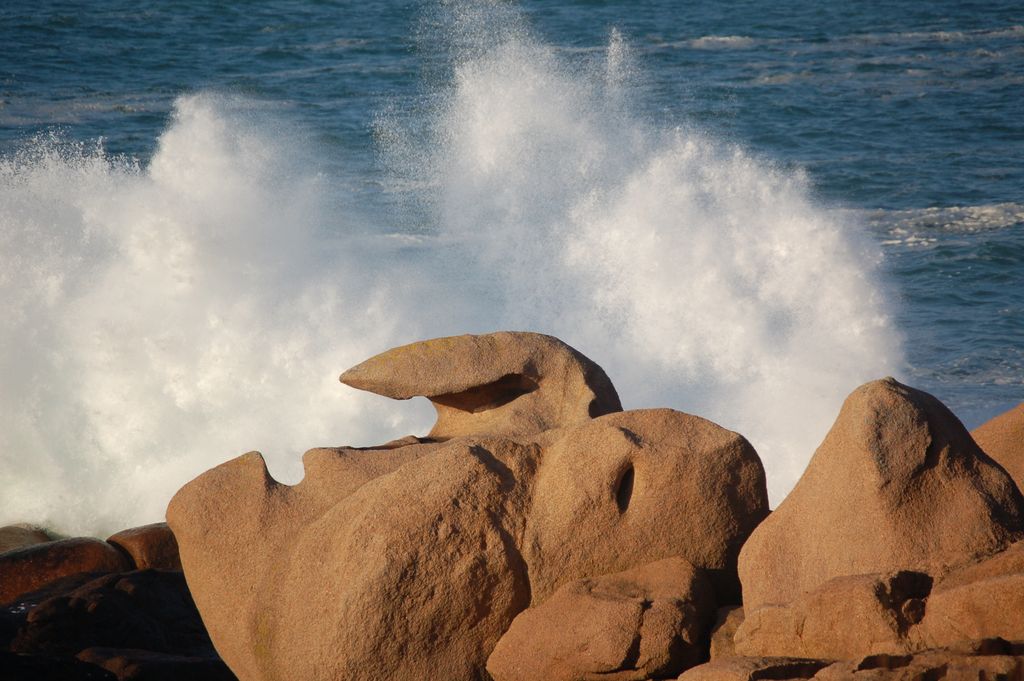
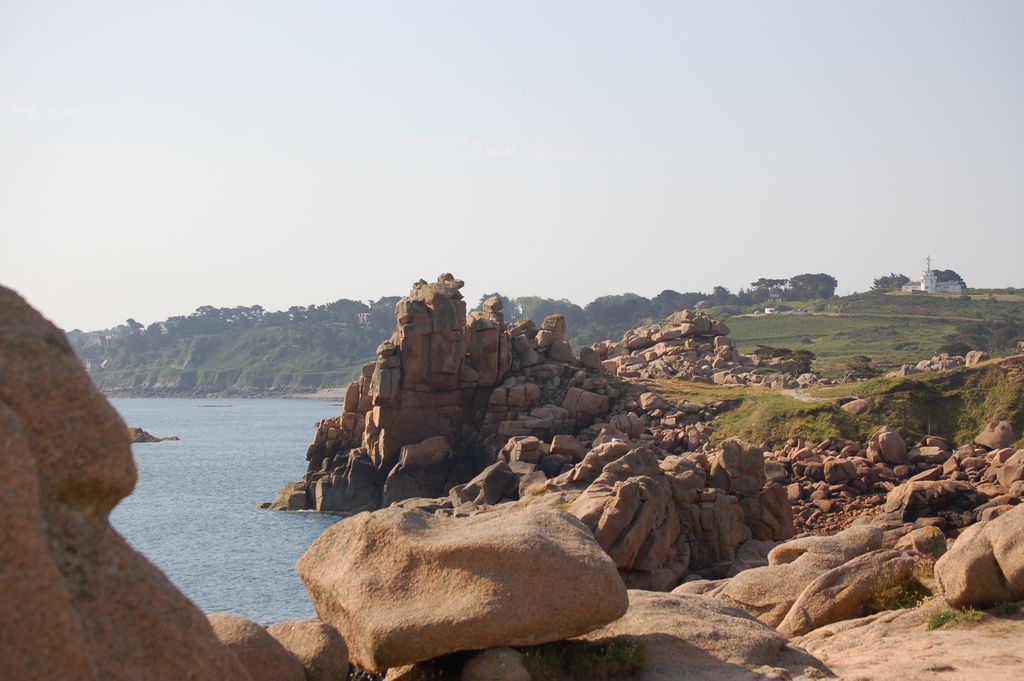
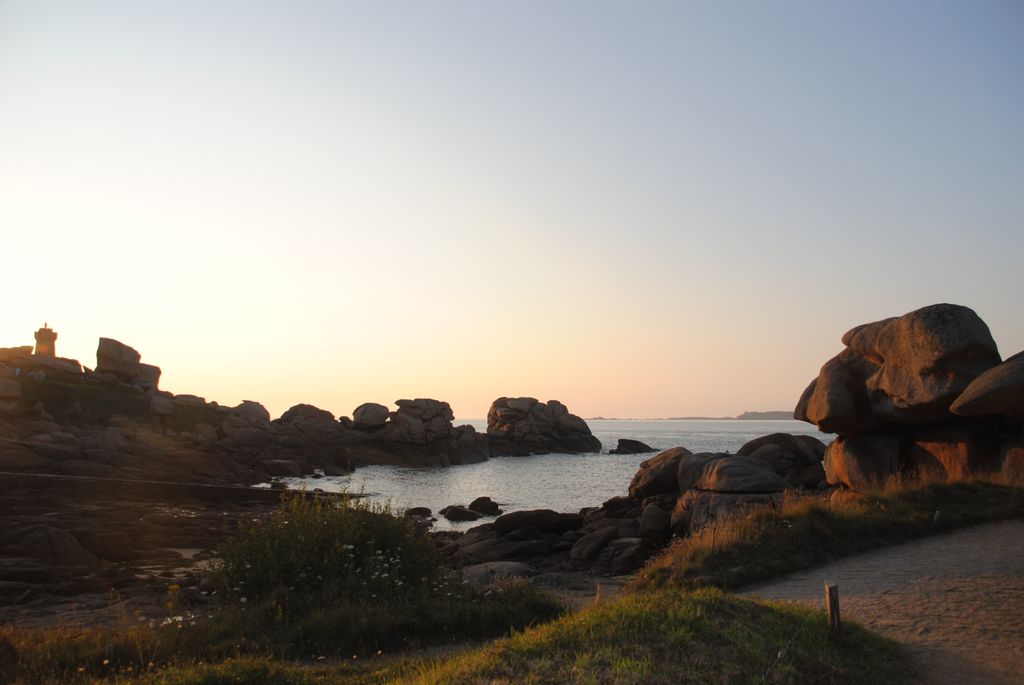
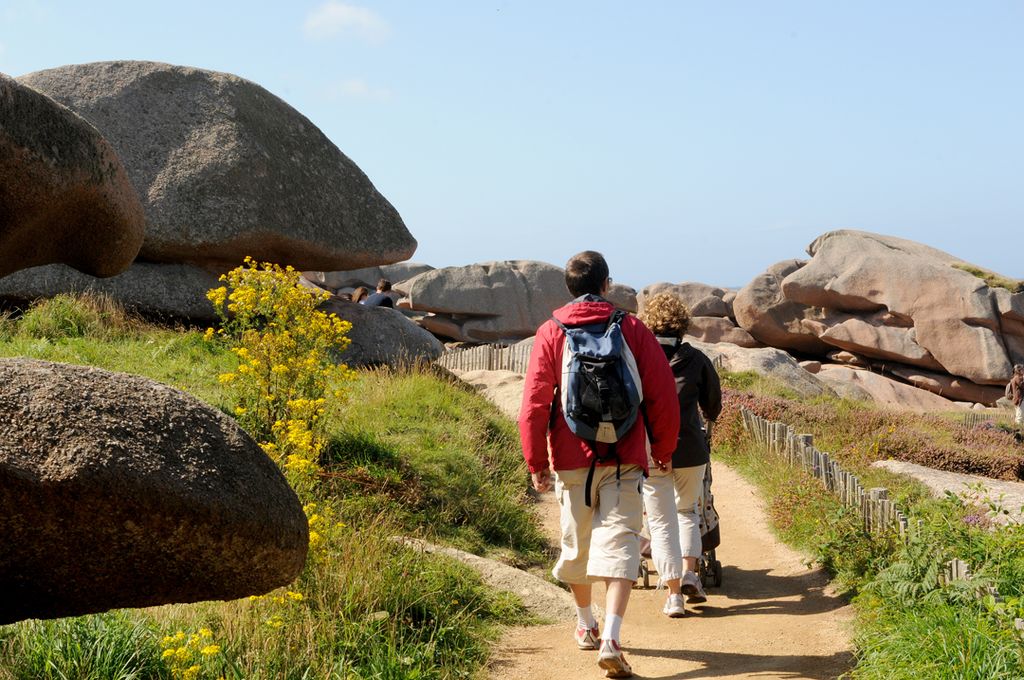
The pink granite lighthouse stands in the middle of the chaotic rock formations formed by the erosion of cooled magma then shaped by the rain, salty sea spray and wind. Its name, "phare de Mean Ruz", comes from the Breton "Men Ruz", meaning pink stone. The construction of the lighthouse was the result of a petition in 1856 by the residents of Perros-Guirec and Trégastel. Blown up with dynamite by German troops before their surrender in August 1944, the building has not always looked like it does today. Pink granite was used to rebuild the lighthouse in 1948, replacing the grey granite originally used in 1860. The lighthouse was automated in 1980.


Goas Lagorn Valley
Trébeurden
A nature conservation area, Goas Lagorn Valley is surrounded by the cliffs of Pors Mabo and Beg Légeur. Here you will find a landscape of extensive pastures and a flaura and fauna of recognised...  See
See

Turquet de Beauregard viewpoint
Perros-Guirec
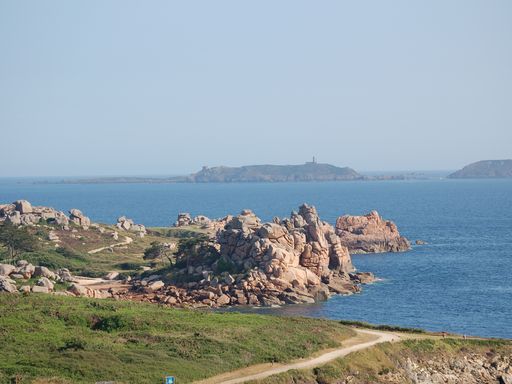
If you visit this spot at low tide, you will be able to see two types of rocks juxtaposed. The gneiss of Trébeurden is the older rock as it goes back more than two billion years. It is recognisable... See
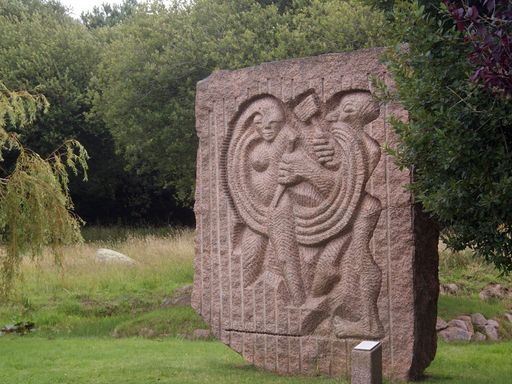

Christian Gad et Daniel Chee Park, and the Roche des Poètes
Perros-Guirec
This park is dedicated to the memory of two quarrymen and displays granite used in an unusual way. This noble material, the basis for unique poetic landscapes, has inspired many artists over the... See
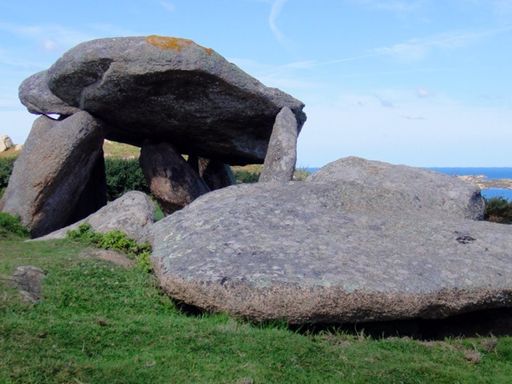
Île Milliau
Trébeurden
With its remarkable pink granite rock formations and darker sedimentary rocks, Île Milliau offers a landscape which takes your breath away. As well as enjoying the site's natural beauty, you can... See