

Guardhouse (Île Grande)
Pleumeur-Bodou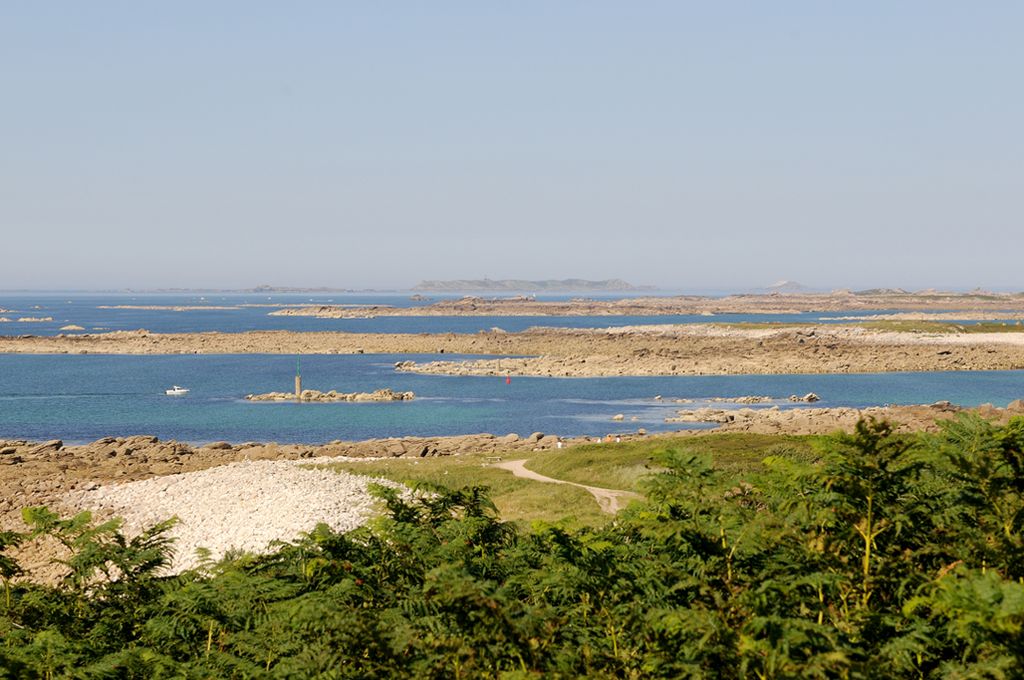
About
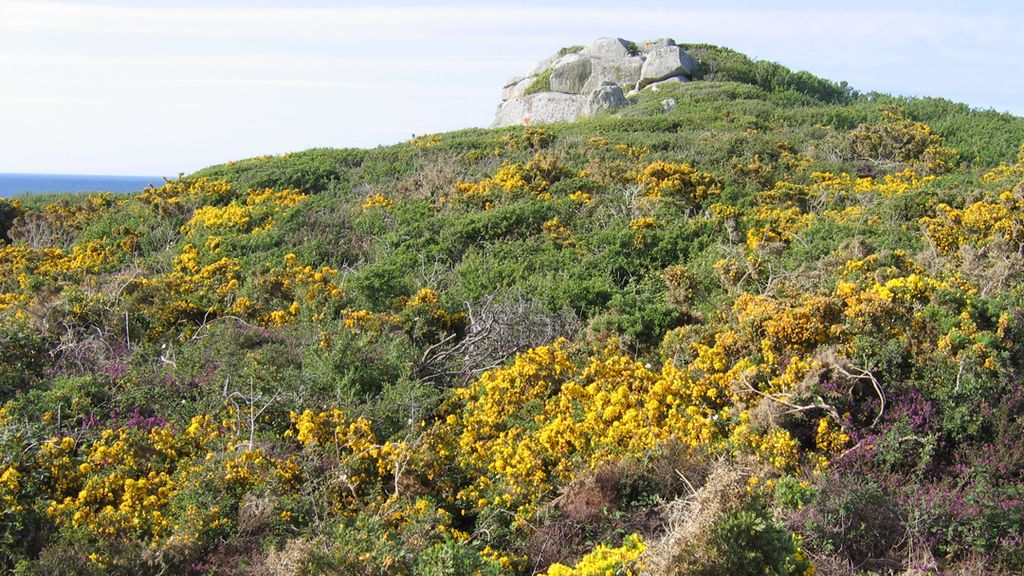
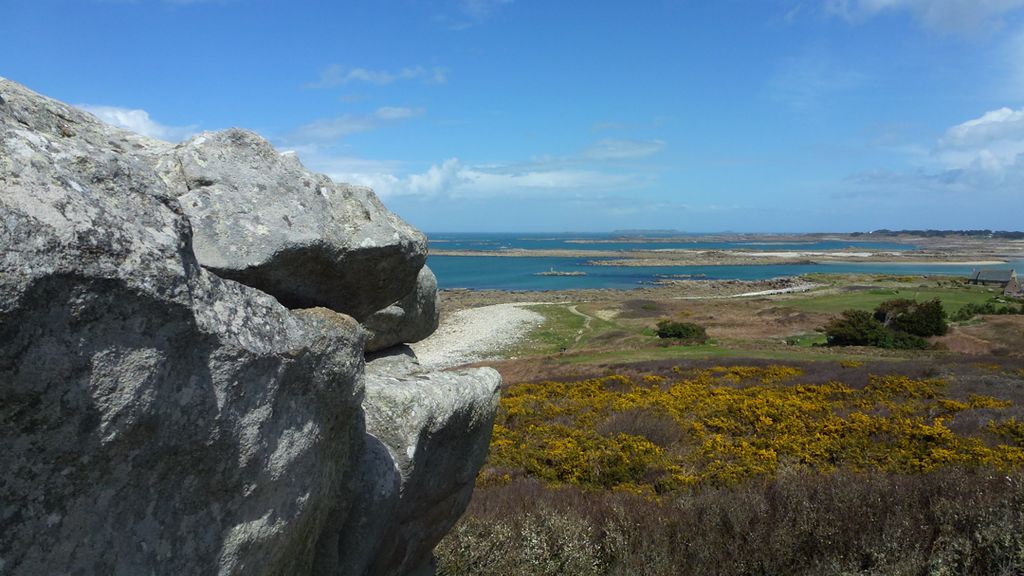
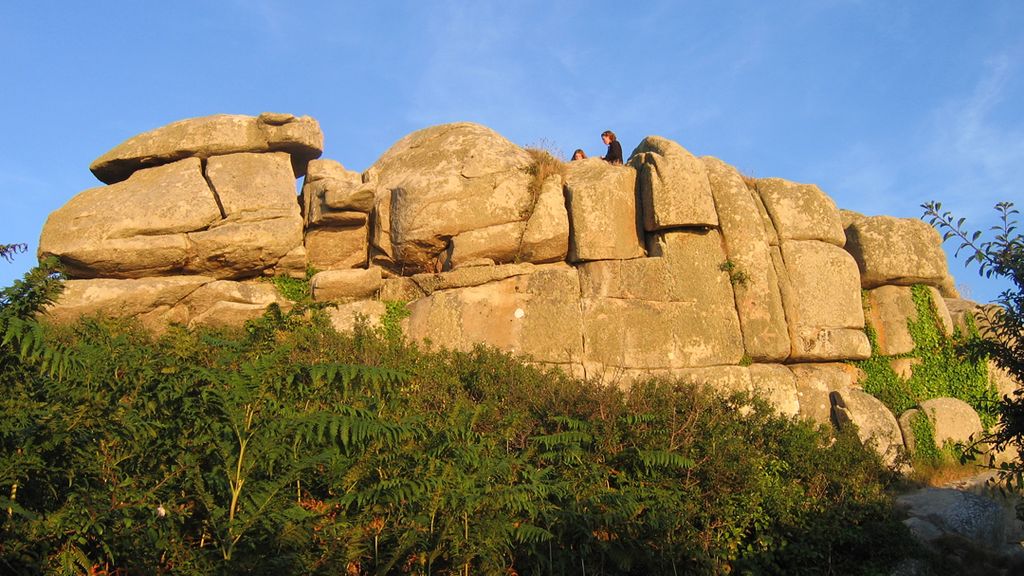
The guardhouse, TyGward in Breton, is an imposing block of granite which stands at the highest point of Île Grande. Right around the periphery of the island, grey and blue granite was mined for several centuries, contributing to the area's renown. Walking around the area, you can find traces of the mining activity and imagine the work of the quarrymen. Following the paths which snake through the heather, you will arrive at a rock formation nicknamed "Le Lion" (the Lion), not far from the statue of a stonecutter. The granite for the construction of the viaduct at Morlaix was extracted from the adjacent old quarry, whose face is impressively large. Opposite you is the outline of Île du Corbeau. This island was an important site for the extraction of blue granite.


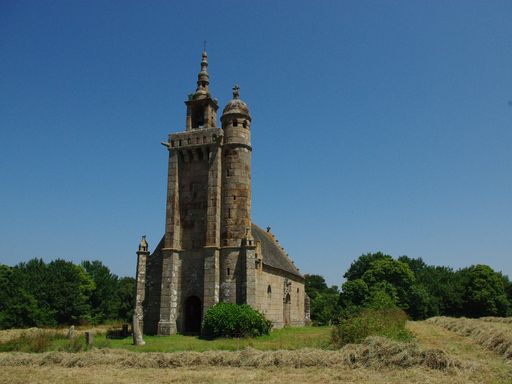

St Samson
Pleumeur-Bodou
Be sure to visit the rural hamlet of Saint-Samson, a quiet spot in the country with a chapel, a menhir and a fountain. The chapel, constructed between 1575 and 1631, is a superb example of the...  See
See
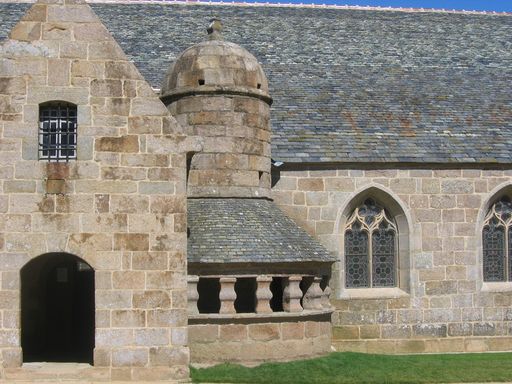

The Village
Trégastel
This church was built in several stages. The original building, dating back to between the twelfth and thirteenth centuries, was modified several times over the centuries. In the seventeenth century,... See
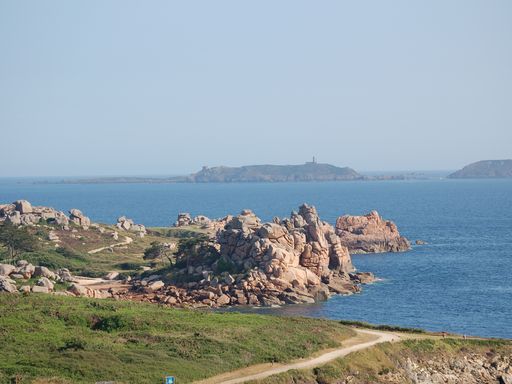

Turquet de Beauregard viewpoint
Perros-Guirec
If you visit this spot at low tide, you will be able to see two types of rocks juxtaposed. The gneiss of Trébeurden is the older rock as it goes back more than two billion years. It is recognisable... See
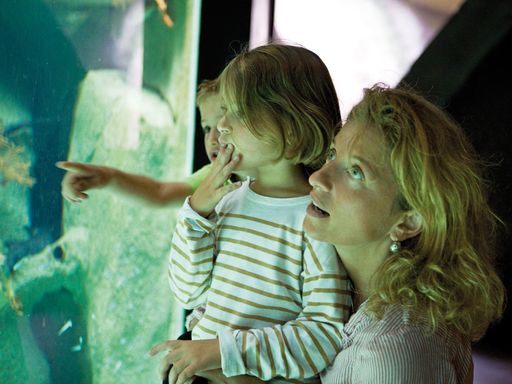

Coz Pors
Trégastel
In the area around CozPors bay, you can see many unusually-shaped pink granite rocks. Have you seen the white statue standing on top of the granite rock formations above the Marine Aquarium? Dubbed... See