

Bringwiller
Pleumeur-Bodou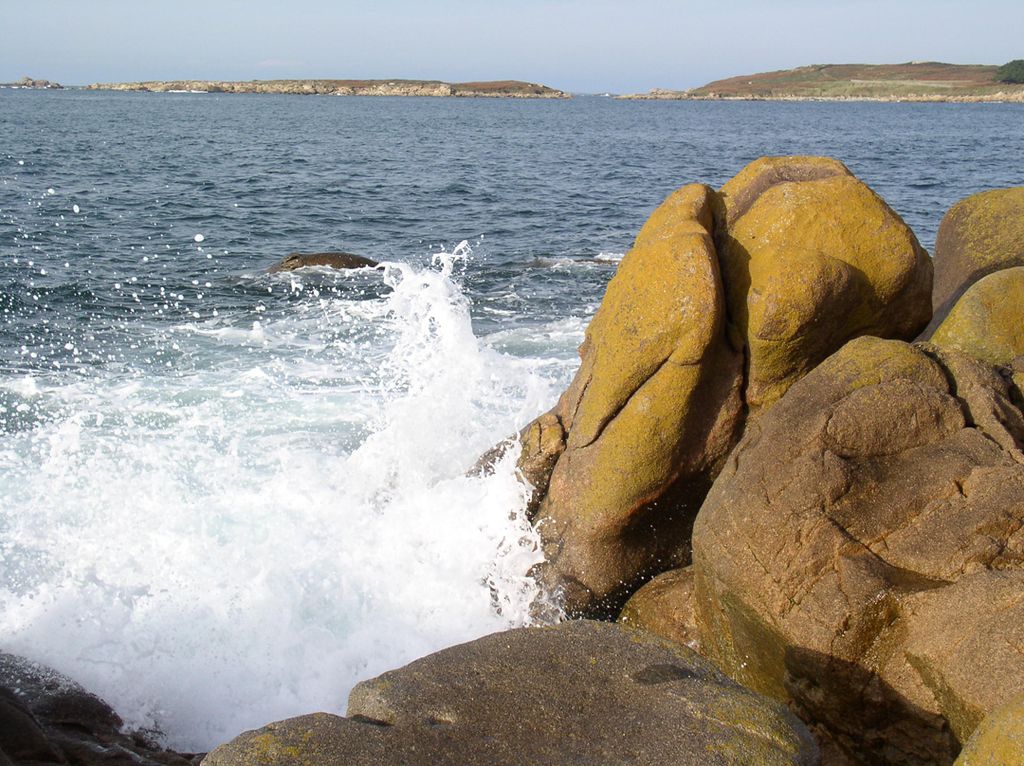
About
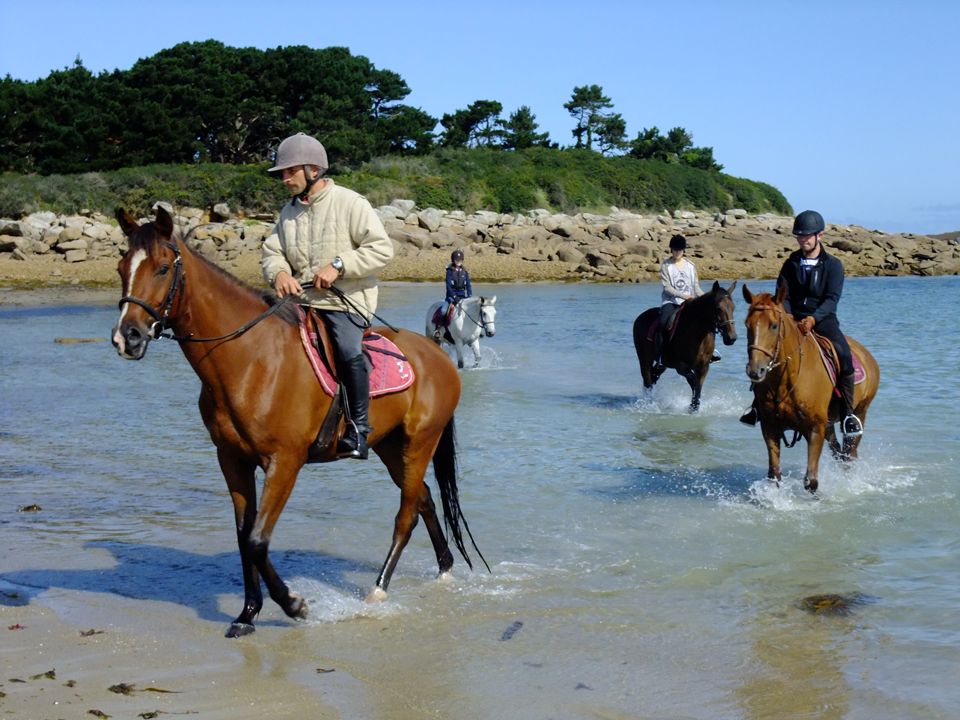
Covering 30 hectares, the coastline is of great botanical, scenic and cultural value. The department of the Conseil Général (local authorities) responsible for natural sites has introduced Camargue horses to the heath to limit the spread of the vegetation. Walking by the sea, you may see traces of holes made in the face rock of the foreshore. These were left by the "chante-perce", a manual drilling tool used to split the rocks, bearing testament to the granite extraction work carried out by the quarrymen.


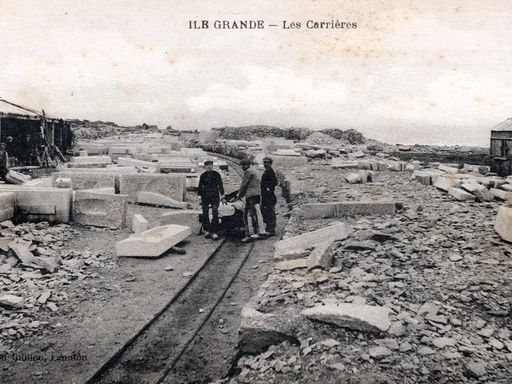

Castel Erek (Île Grande)
Pleumeur-Bodou
In this haven of peace, owned by the Conseil Général (local authorities), you will find the Sept Îles nature reserve building, which houses a permanent exhibition and the bird care centre of the...  See
See
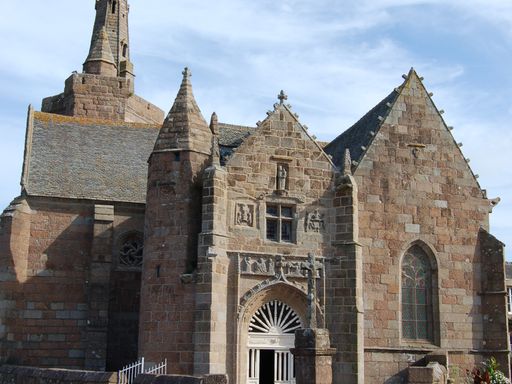

La Clarté Chapel (Itron Varia Ar Sklerder)
Perros-Guirec
Classified as a historic monument and containing some architectural treasures, Notre Dame de la Clarté is not to be missed. Dating from the fifteenth century and finished in the eighteenth century,... See
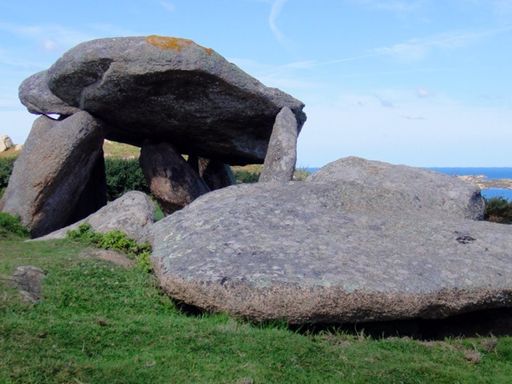
Île Milliau
Trébeurden
With its remarkable pink granite rock formations and darker sedimentary rocks, Île Milliau offers a landscape which takes your breath away. As well as enjoying the site's natural beauty, you can... See
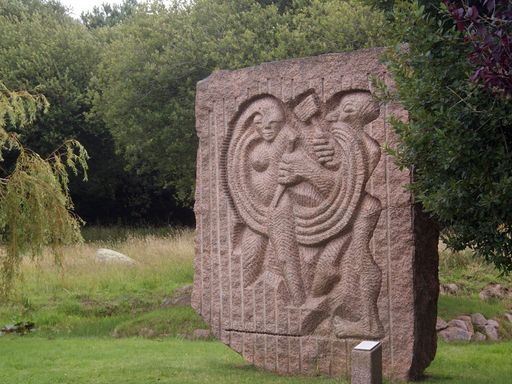

Christian Gad et Daniel Chee Park, and the Roche des Poètes
Perros-Guirec
This park is dedicated to the memory of two quarrymen and displays granite used in an unusual way. This noble material, the basis for unique poetic landscapes, has inspired many artists over the... See