

Saint Uzec menhir
Pleumeur-Bodou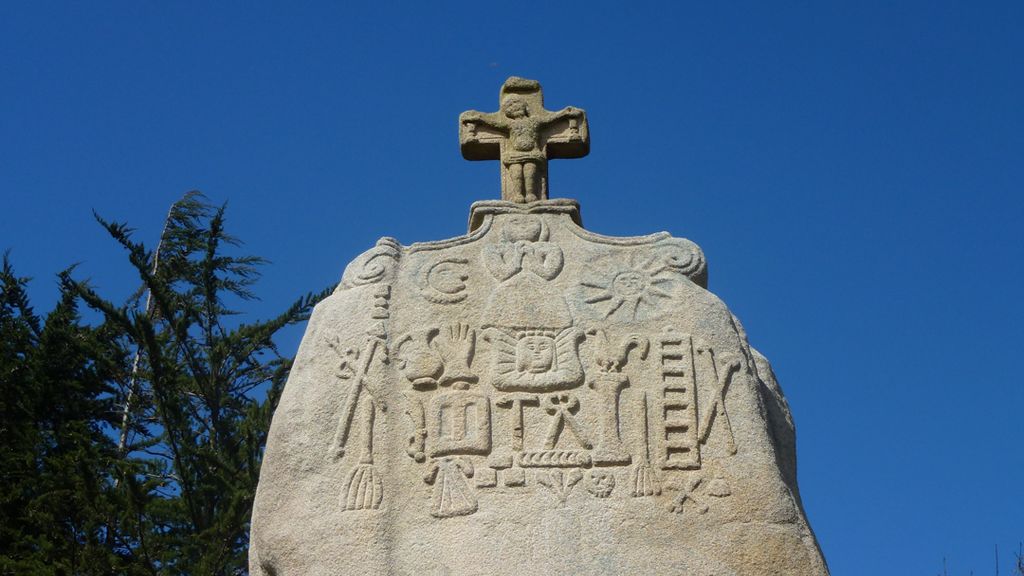
About
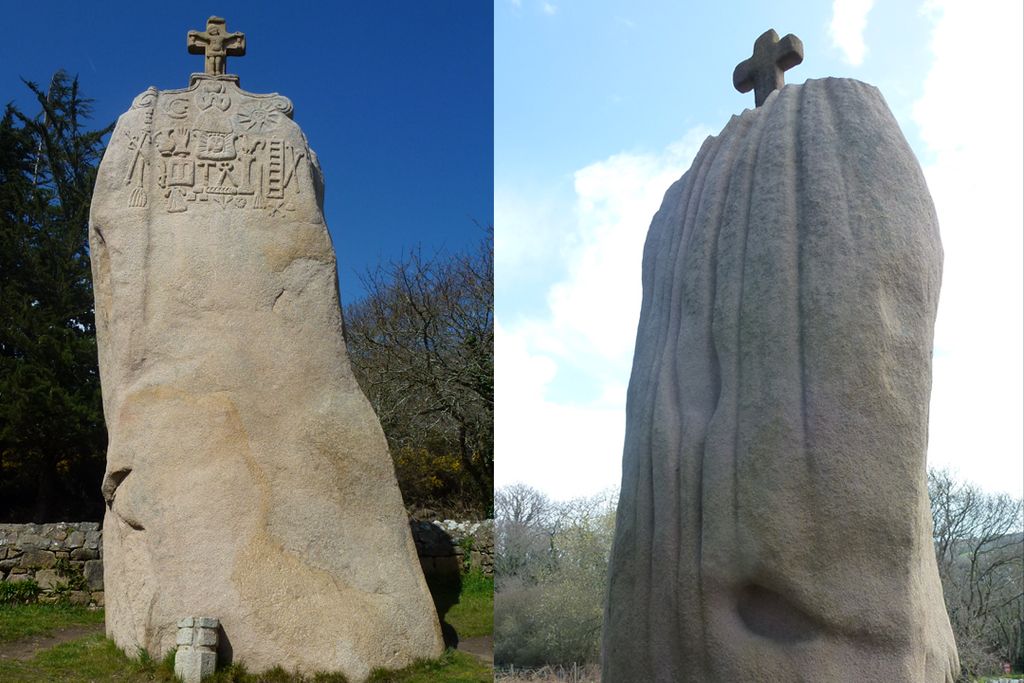
A menhir 7.40 m high and 2 m wide stands in Saint-Uzec. Imagine our Neolithic ancestors transporting this huge block of granite weighing 60 tonnes! These megaliths probably fulfilled a religious role, although our understanding of their purpose remains limited. In the seventeenth century, the Saint-Uzec menhir was Christianised. A cross was added at the top and images of the Passion carved onto the south face. Walk along the side of the Chapel dating from the sixteenth century. Further downhill, you will see a fountain. Water was drawn from this fountain to increase the milk supply of sows after they had farrowed.



Bonne Nouvelle Chapel
Trébeurden
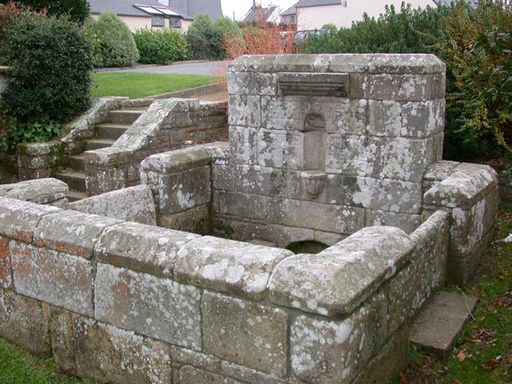
Here you will find a hamlet of traditional houses built from granite and a chapel dating from the fifteenth century, which is dedicated to Notre-Dame de Bonne Nouvelle (Our Lady of Good News), patron...  See
See

The Parc du Radôme
Pleumeur-Bodou
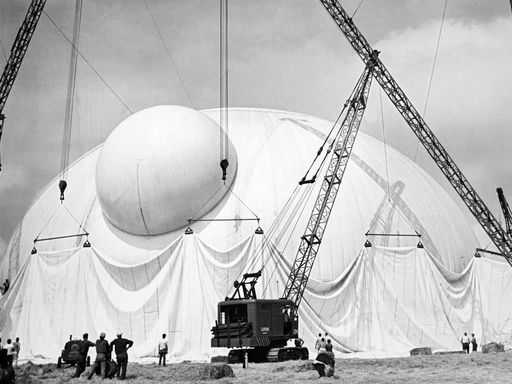
The Radôme, a technological jewel in the crown for France during the 1960s, a symbol of the modernism of Brittany and an iconic image of Pleumeur-Bodou, is composed of a dome 64 m in diameter and 50... See
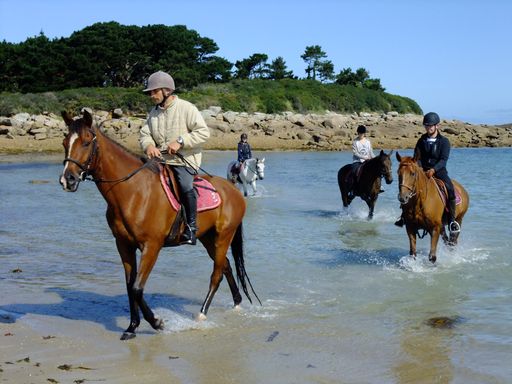

Bringwiller and Kerlavos Bay
Trégastel
There is evidence of very early human religious and economic activity in this area. Its name, Brenn Guiler, meaning "hill of the Roman village", bears testament to the presence of the Romans in... See
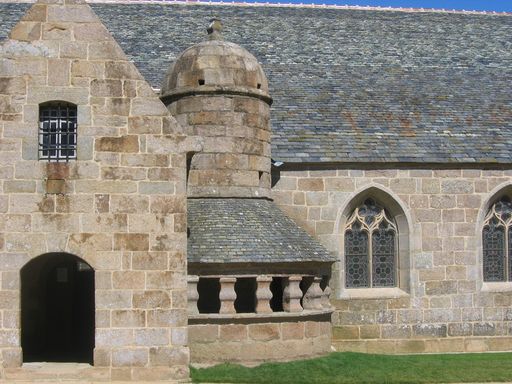

The Village
Trégastel
This church was built in several stages. The original building, dating back to between the twelfth and thirteenth centuries, was modified several times over the centuries. In the seventeenth century,... See