

Île Milliau
Trébeurden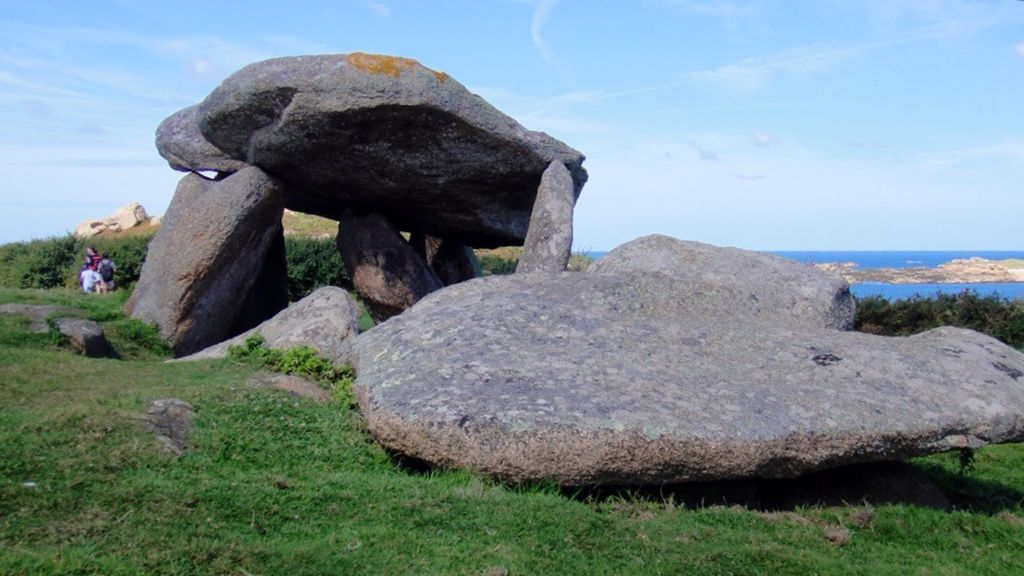
About
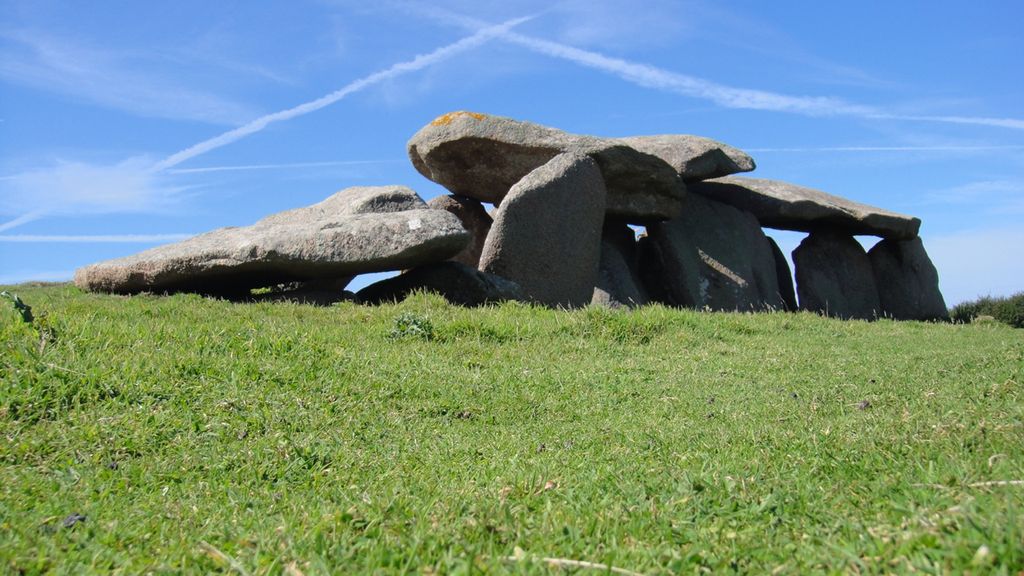
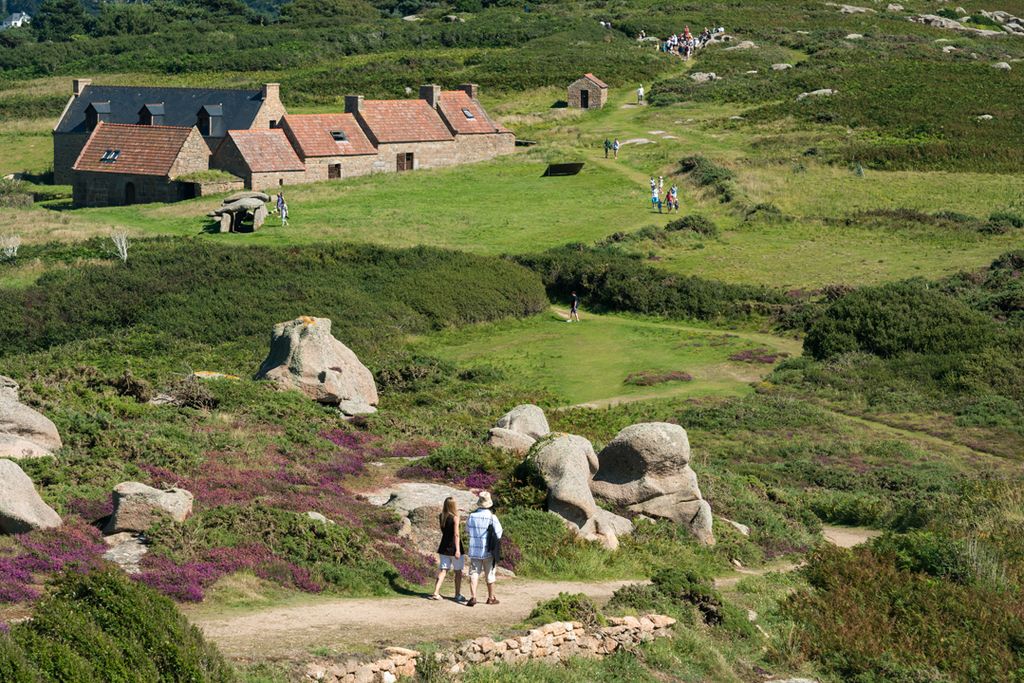
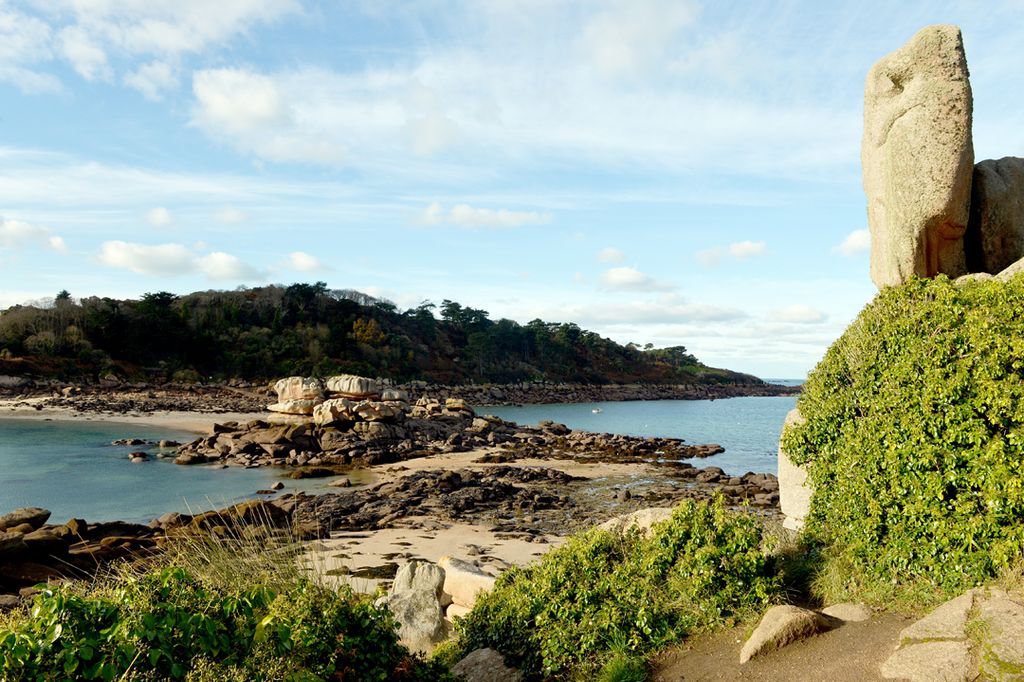
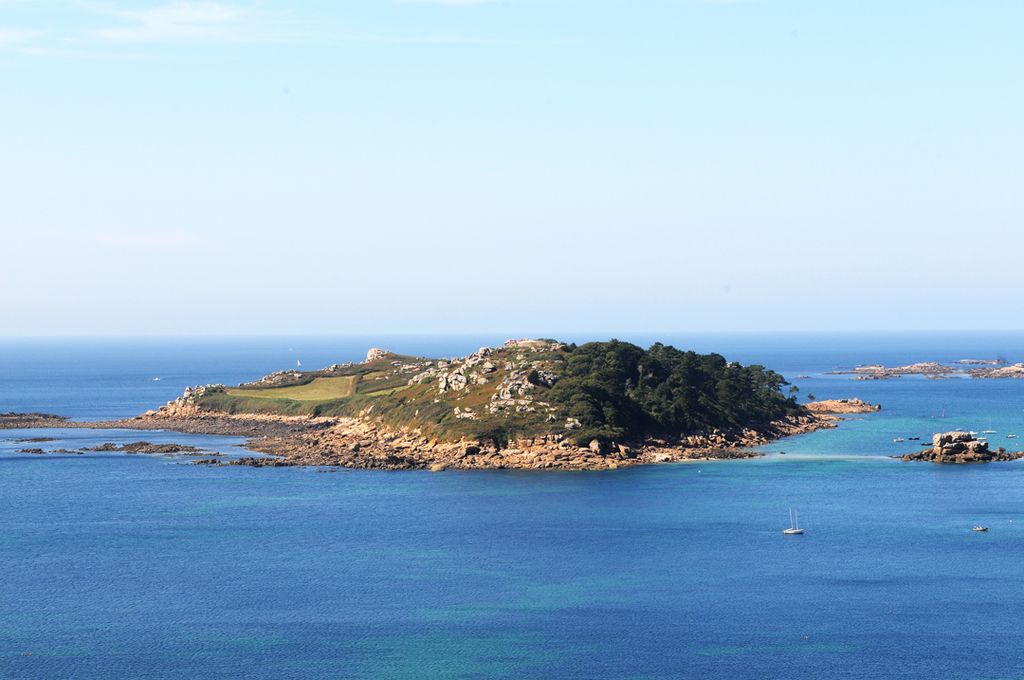
With its remarkable pink granite rock formations and darker sedimentary rocks, Île Milliau offers a landscape which takes your breath away. As well as enjoying the site's natural beauty, you can look for traces of human settlement. The first signs date from the Neolithic period: our ancestors erected a gallery grave which would have served as a burial monument. Then, legend has it that in the sixth century a monk named Milliau came from a northern country to evangelise the area and settled here. You will also find a farmstead here, built at the end of the Middle Ages and now renovated. On the way, you will go round the Presqu’île du Castel peninsula, passing "Père Trébeurden" (Father Trébeurden), a rock in the shape of a face. Wear good shoes and take care, as the area is steep and slippy, and on some days the tides make access to Île Milliau impossible.



Île Renote
Trégastel
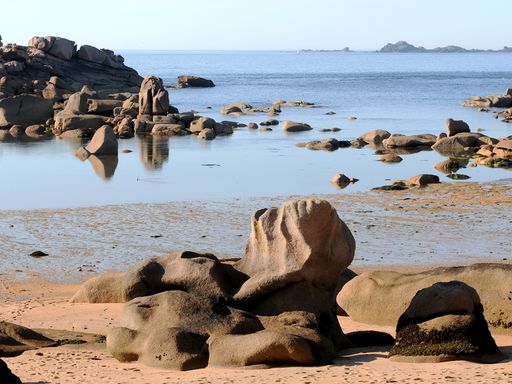
Formerly an island, Île Renote was joined to the mainland in 1895 by construction of a road, forming a peninsula. It has an exceptional geological and human history. Inhabited for 5,000 years, it...  See
See

Coz Pors
Trégastel
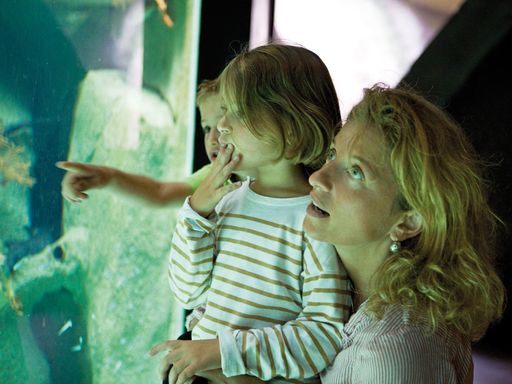
In the area around CozPors bay, you can see many unusually-shaped pink granite rocks. Have you seen the white statue standing on top of the granite rock formations above the Marine Aquarium? Dubbed... See

St Samson
Pleumeur-Bodou
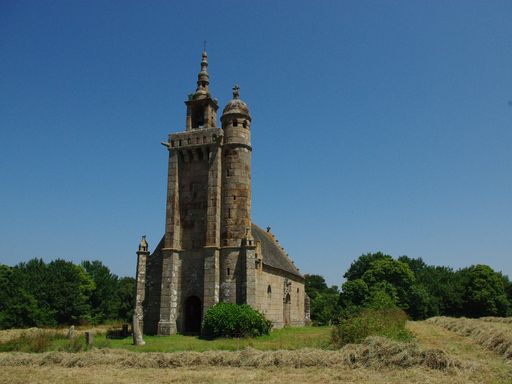
Be sure to visit the rural hamlet of Saint-Samson, a quiet spot in the country with a chapel, a menhir and a fountain. The chapel, constructed between 1575 and 1631, is a superb example of the... See
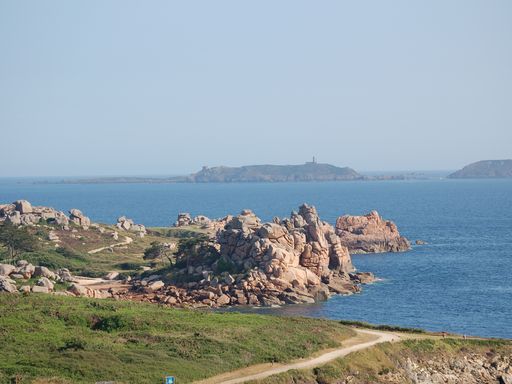
Turquet de Beauregard viewpoint
Perros-Guirec
If you visit this spot at low tide, you will be able to see two types of rocks juxtaposed. The gneiss of Trébeurden is the older rock as it goes back more than two billion years. It is recognisable... See