

Prajou Menhir
Trébeurden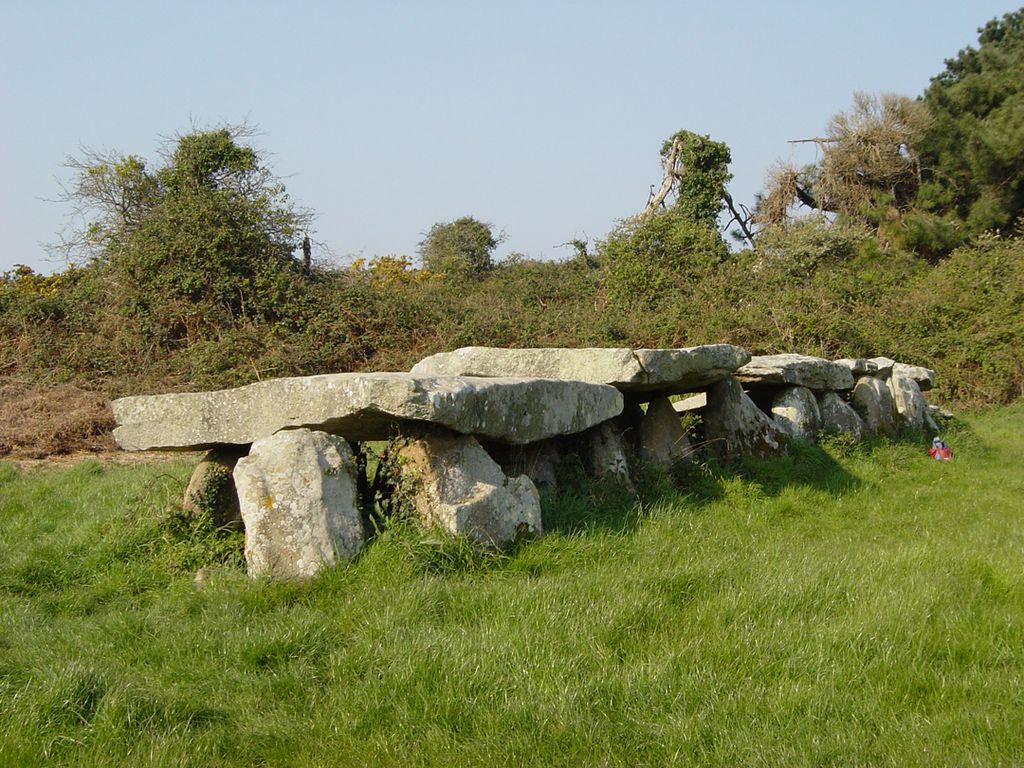
About
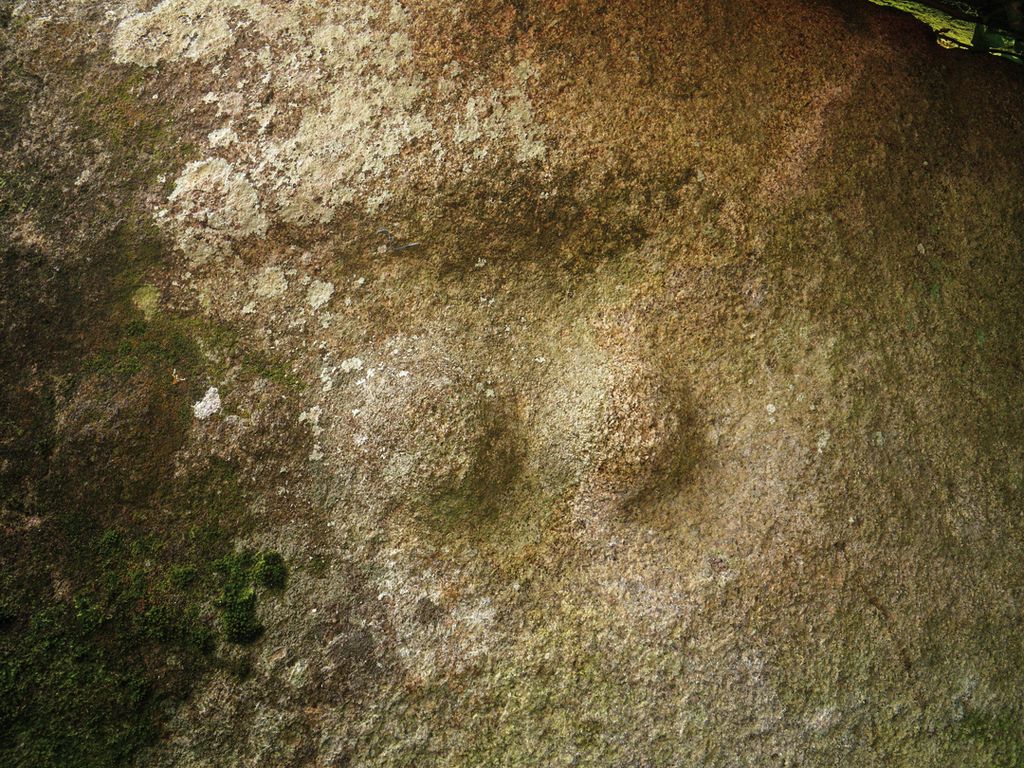
Probably dating from the third millennium B.C., Prajou-Menhir is the largest of the gallery graves in Trébeurden. It measures 14.5 metres in length and is made up of seven stone slabs. Did you know that its name means "Meadonws of the long stones" in Breton? Erected during the Neolithic period, gallery graves are megalithic monuments which would have served as collective graves. Over the centuries, they have seen other uses by successive generations of local inhabitants, who transformed them into shelters or storage for tools, for example. These carvings, on the upright stones of the gallery grave’s most difficult to access area symbolise breasts and the great Mother Goddess of Neolithic times.



Saint Jacques Church
Perros-Guirec
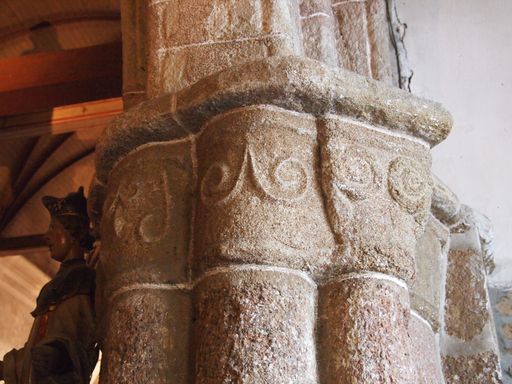
Construction of Saint Jacques Church began in the eleventh century using granite from the area and further construction followed over the years, resulting in today's patchwork of architectural...  See
See

Mill Tourony
Trégastel
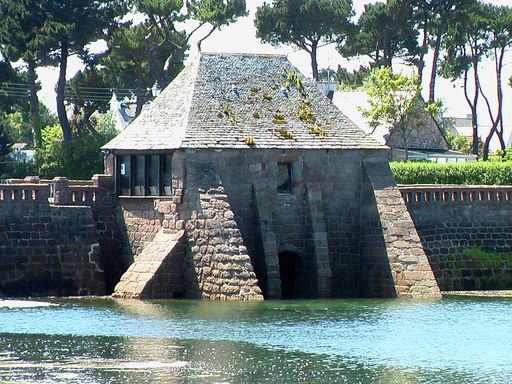
From the beach at Tourony, you can admire a beautiful view of the Château de Costaérès. This imposing neo-medieval style villa dates from the end of the nineteenth century. It was built by a rich... See

Bringwiller and Kerlavos Bay
Trégastel
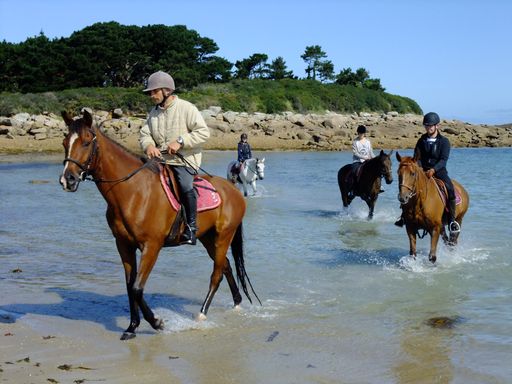
There is evidence of very early human religious and economic activity in this area. Its name, Brenn Guiler, meaning "hill of the Roman village", bears testament to the presence of the Romans in... See

Grève Blanche beach
Trégastel
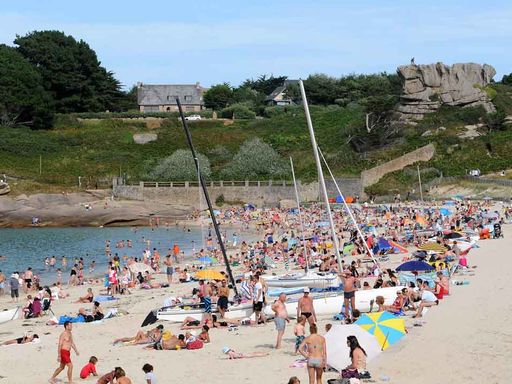
The tombolo of sand which links the coast to Île aux Lapins marks the boundary between the coarse, pink sand of Grève Rose beach to the west and the fine, white sand of Grève Blanche beach to the... See