

Toëno
Trébeurden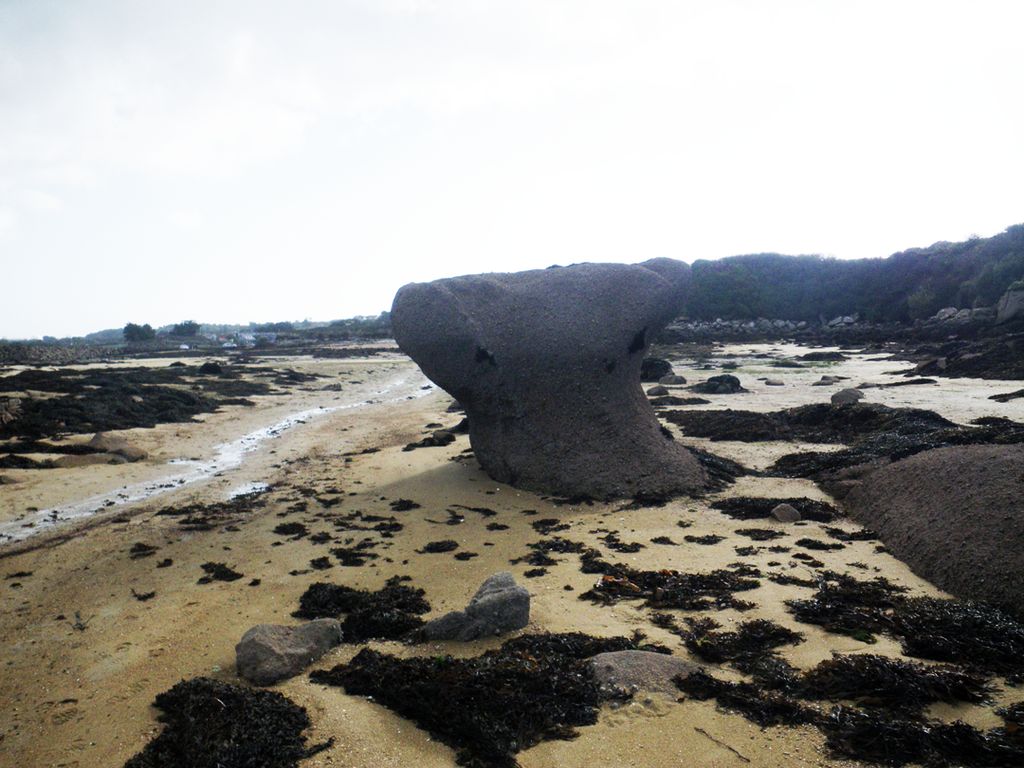
About
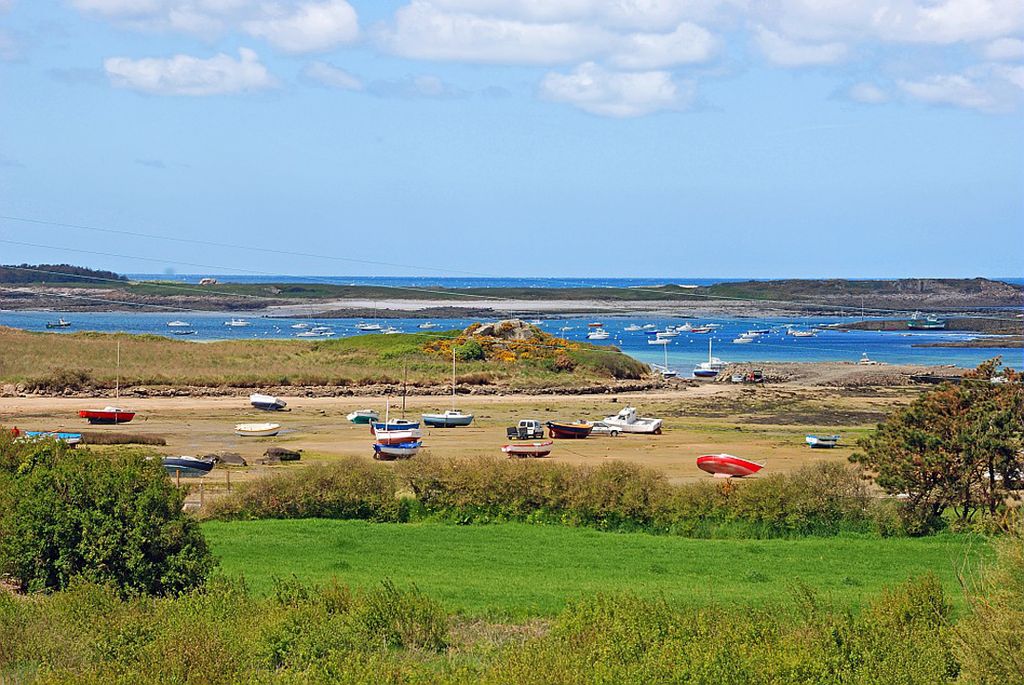
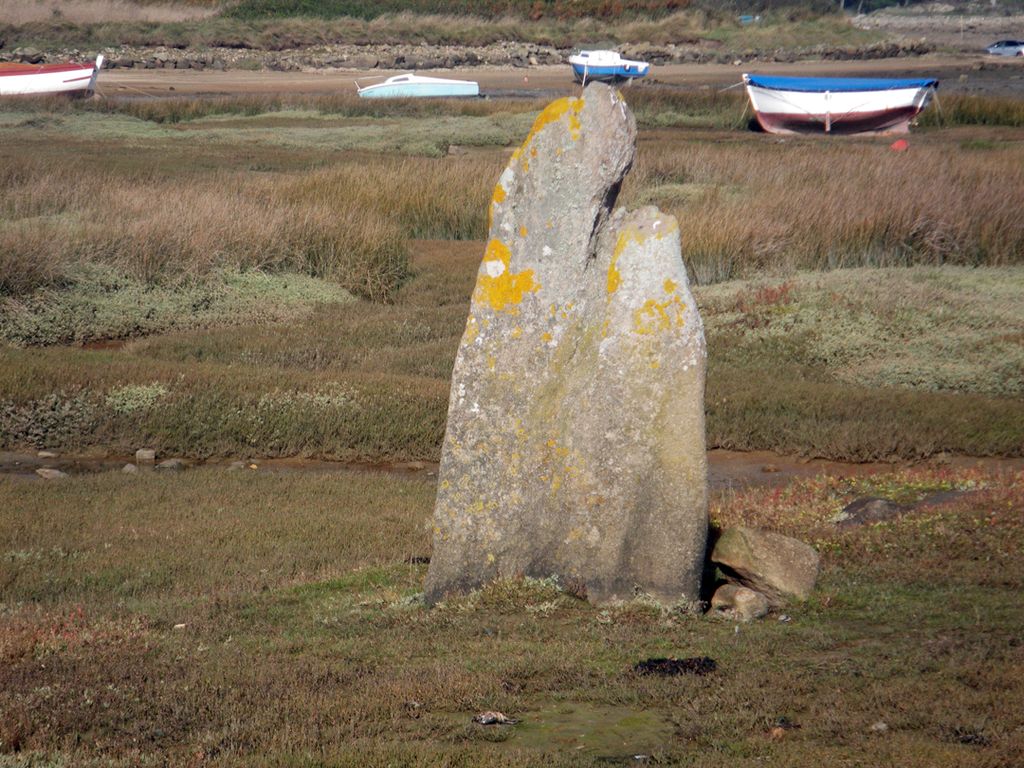
The Toëno area, which shows evidence of the granite extraction work of the nineteenth and twentieth centuries, is also a marshland of outstanding ecological value. If you visit at low tide, you will probably see people gathering shellfish on the foreshore. When the area was being mined, the quarrymen would extract bluish-grey granite from the large mound and transport it to the ports on the Channel by barge.


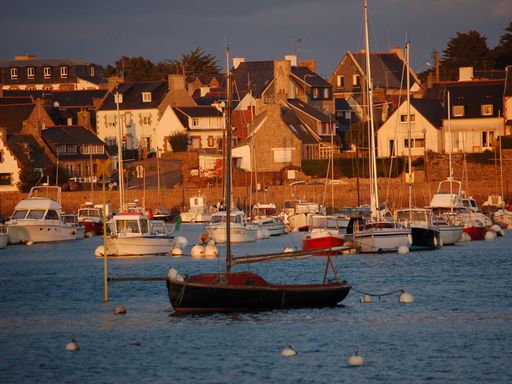

Ploumanac'h Harbour
Perros-Guirec
Naturally formed by the confluence of two streams 4,500 years ago, Ploumanac'h harbour is an exceptional location. Used from ancient times as a trading port, it was then home to a village of...  See
See
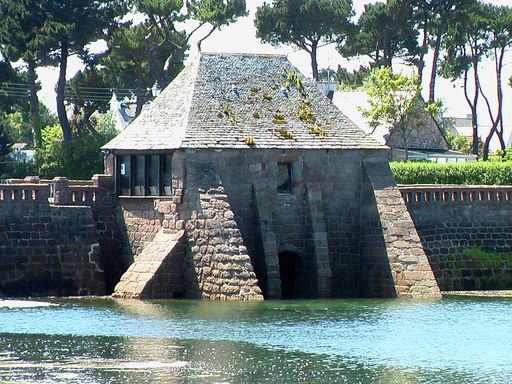

Mill Tourony
Trégastel
From the beach at Tourony, you can admire a beautiful view of the Château de Costaérès. This imposing neo-medieval style villa dates from the end of the nineteenth century. It was built by a rich... See
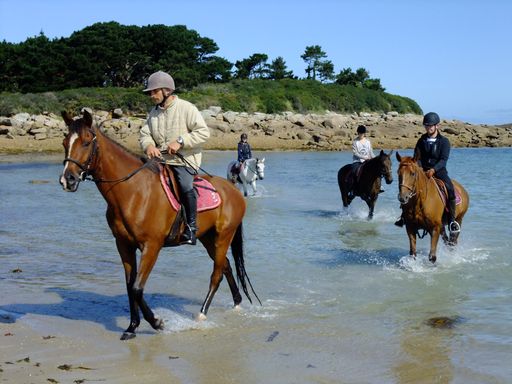

Bringwiller and Kerlavos Bay
Trégastel
There is evidence of very early human religious and economic activity in this area. Its name, Brenn Guiler, meaning "hill of the Roman village", bears testament to the presence of the Romans in... See
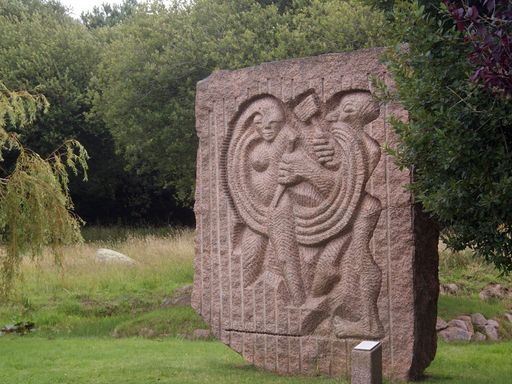

Christian Gad et Daniel Chee Park, and the Roche des Poètes
Perros-Guirec
This park is dedicated to the memory of two quarrymen and displays granite used in an unusual way. This noble material, the basis for unique poetic landscapes, has inspired many artists over the... See