

Île Renote
Trégastel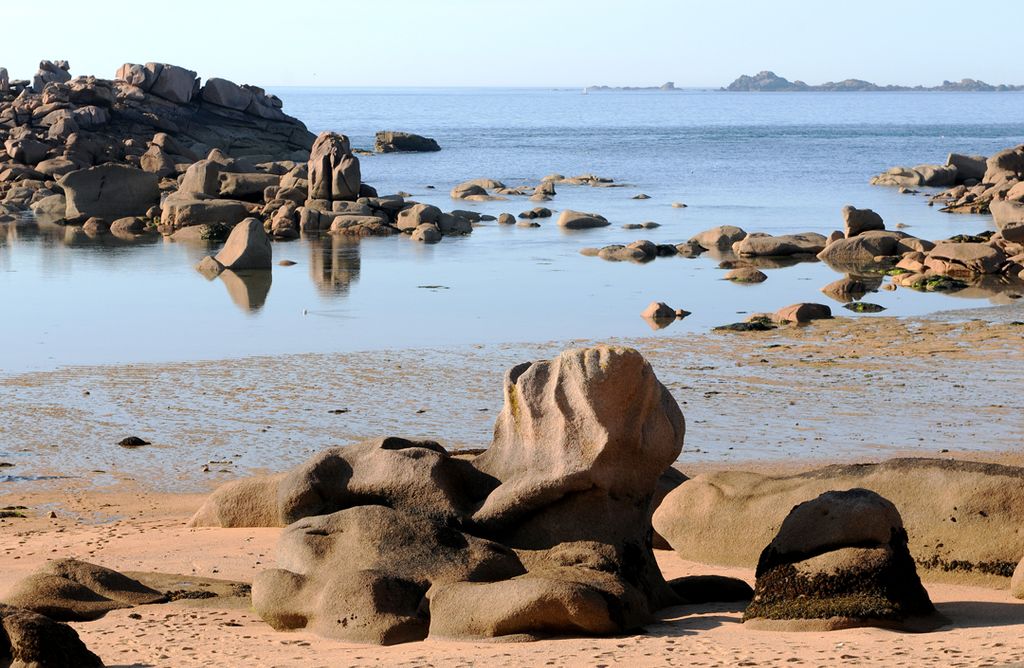
About
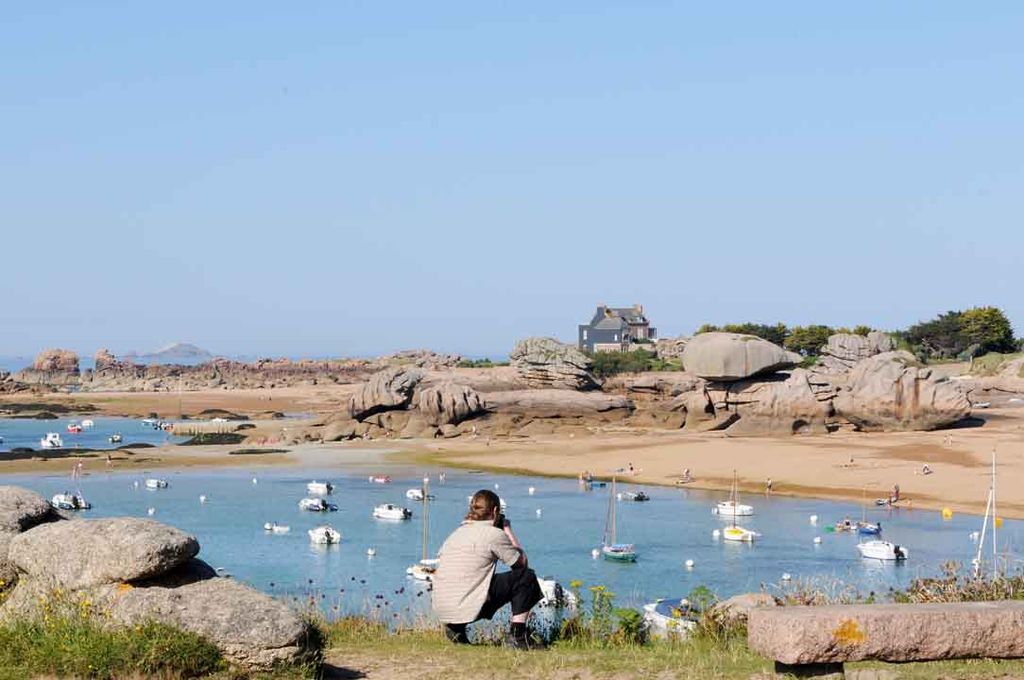
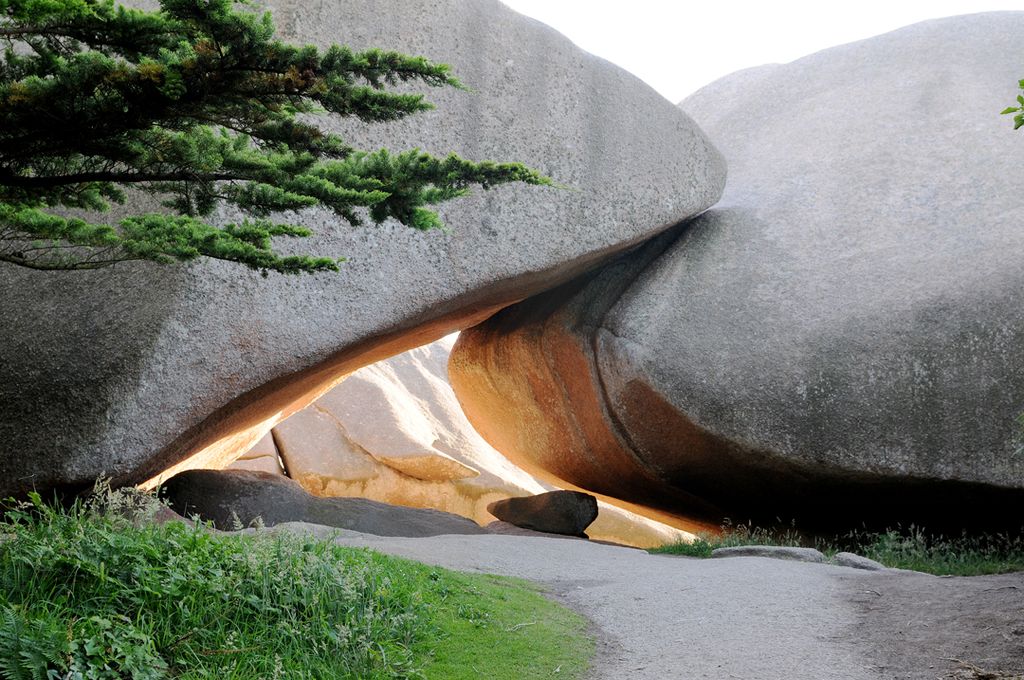
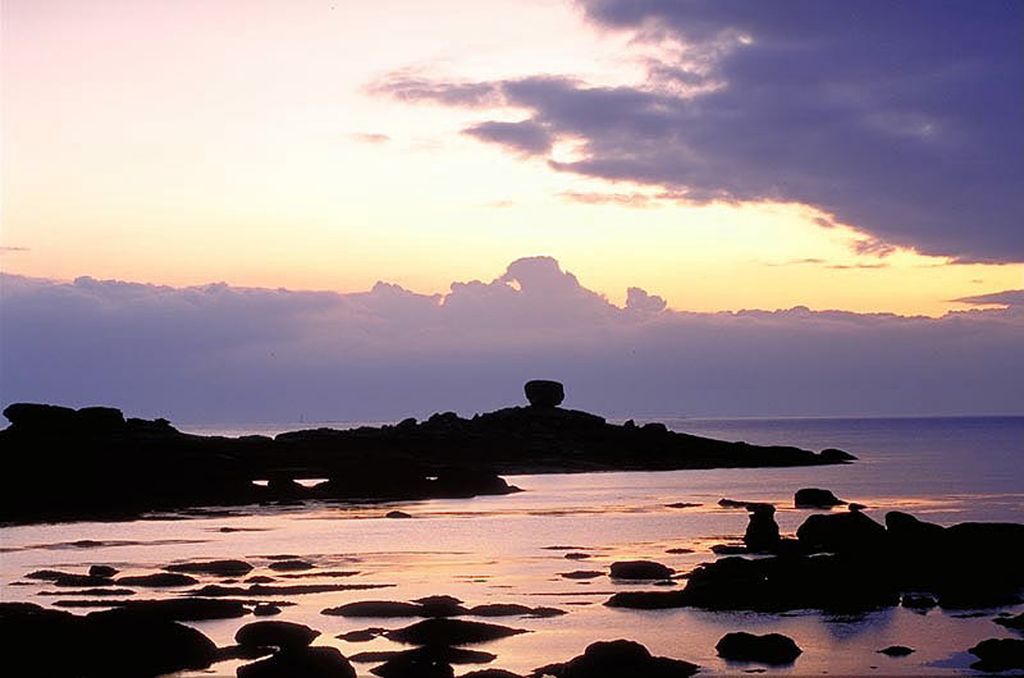
Formerly an island, Île Renote was joined to the mainland in 1895 by construction of a road, forming a peninsula. It has an exceptional geological and human history. Inhabited for 5,000 years, it has remarkable chaotic granite rock formations which form a unique natural landscape. Shaped by the sea, sculpted by the salt spray, the top of the rocky clusters is in places is studded with depressions (or crevices) nicknamed "bidets de la vierge" (the Virgin's bidets) or "empreintes du diable" (the devil's footprints). You can also see the rock known locally as "La palette du peintre" (the Painter's Palette). Be careful not to venture onto the neighbouring islands without checking the tide times. The currents in the area are extremely dangerous.


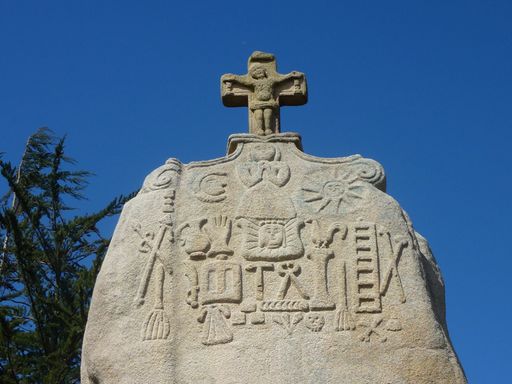

Saint Uzec menhir
Pleumeur-Bodou
A menhir 7.40 m high and 2 m wide stands in Saint-Uzec. Imagine our Neolithic ancestors transporting this huge block of granite weighing 60 tonnes! These megaliths probably fulfilled a religious...  See
See
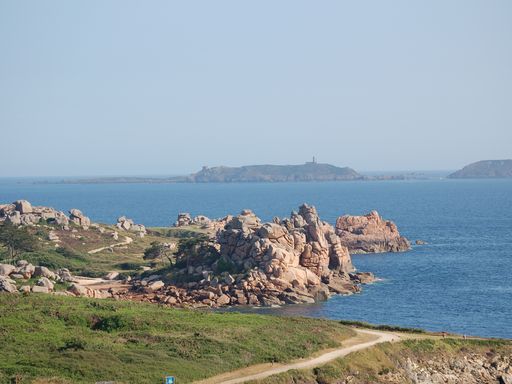

Turquet de Beauregard viewpoint
Perros-Guirec
If you visit this spot at low tide, you will be able to see two types of rocks juxtaposed. The gneiss of Trébeurden is the older rock as it goes back more than two billion years. It is recognisable... See
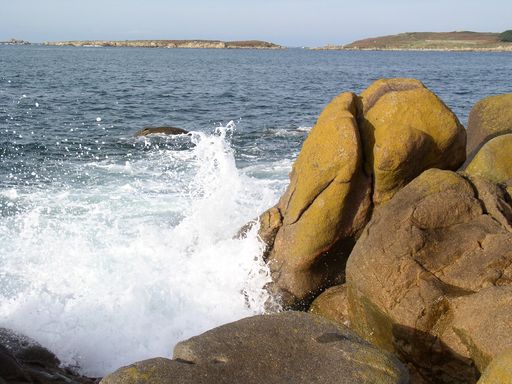
Bringwiller
Pleumeur-Bodou
Covering 30 hectares, the coastline is of great botanical, scenic and cultural value. The department of the Conseil Général (local authorities) responsible for natural sites has introduced Camargue... See
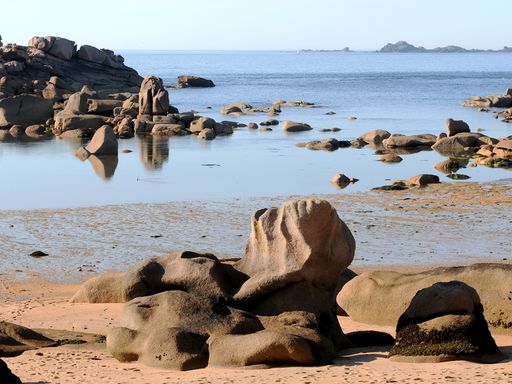
Île Renote
Trégastel
Formerly an island, Île Renote was joined to the mainland in 1895 by construction of a road, forming a peninsula. It has an exceptional geological and human history. Inhabited for 5,000 years, it... See