

The Village
Trégastel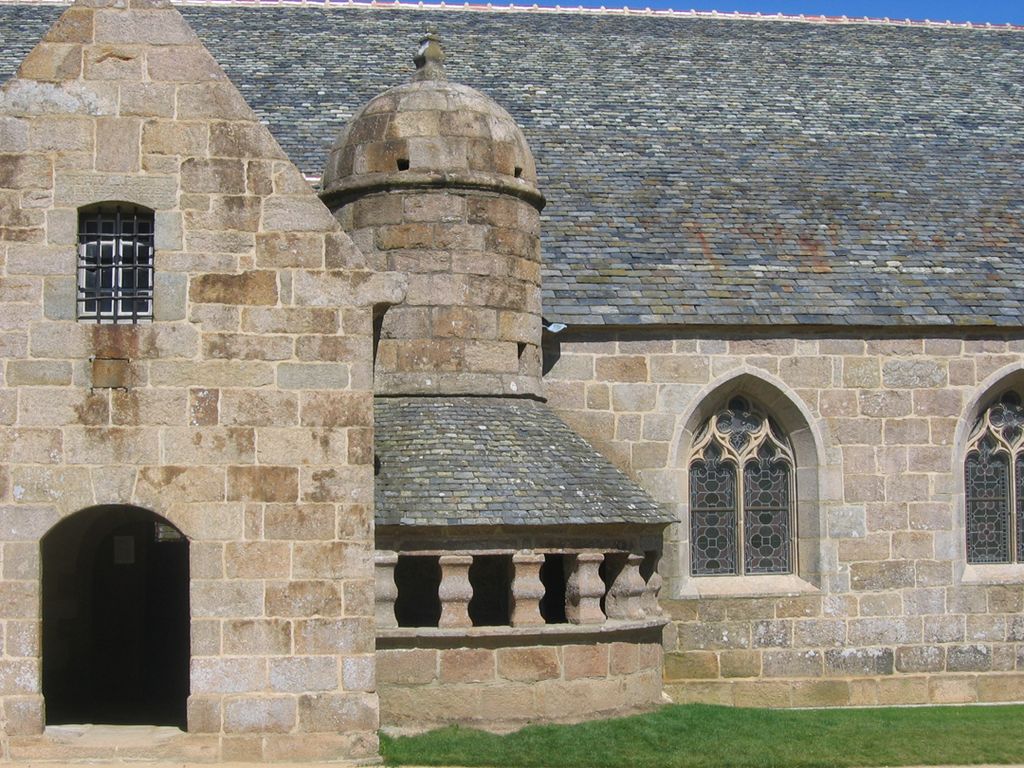
About
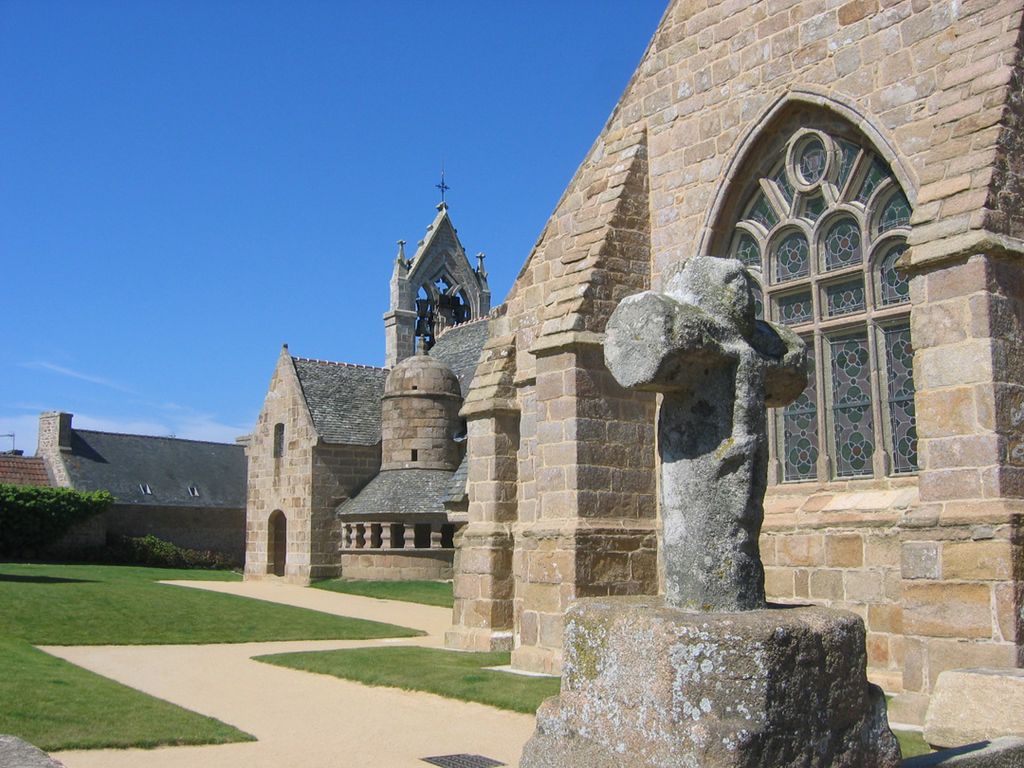
This church was built in several stages. The original building, dating back to between the twelfth and thirteenth centuries, was modified several times over the centuries. In the seventeenth century, an ossuary was added to house bones from the cemetery, an unusual feature of the church. During your visit, be sure to take a look at the balustered gallery and granite dome. In the nineteenth century, the campanile with three bells was replaced with the granite arcature which you can see today. In the close, you will find the tomb of the Breton writer Charles le Goffic. Passionate about the area, he celebrated its identity throughout his life (1863-1932) through numerous literary works.



Île Milliau
Trébeurden
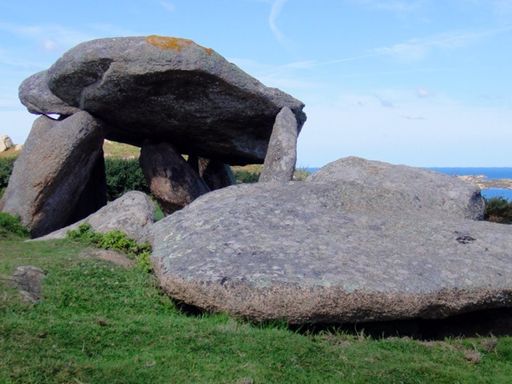
With its remarkable pink granite rock formations and darker sedimentary rocks, Île Milliau offers a landscape which takes your breath away. As well as enjoying the site's natural beauty, you can...  See
See

Bonne Nouvelle Chapel
Trébeurden
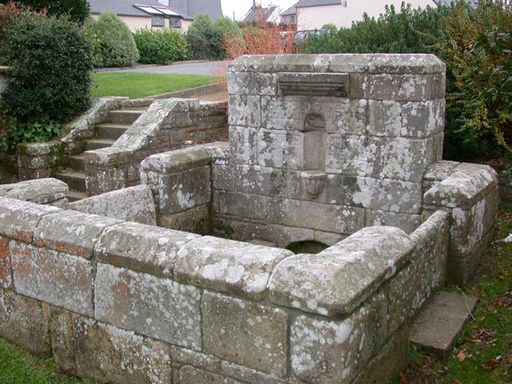
Here you will find a hamlet of traditional houses built from granite and a chapel dating from the fifteenth century, which is dedicated to Notre-Dame de Bonne Nouvelle (Our Lady of Good News), patron... See
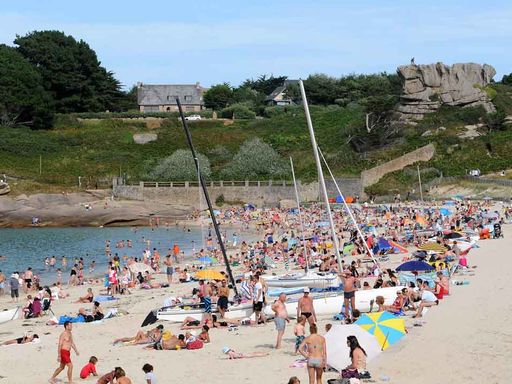

Grève Blanche beach
Trégastel
The tombolo of sand which links the coast to Île aux Lapins marks the boundary between the coarse, pink sand of Grève Rose beach to the west and the fine, white sand of Grève Blanche beach to the... See
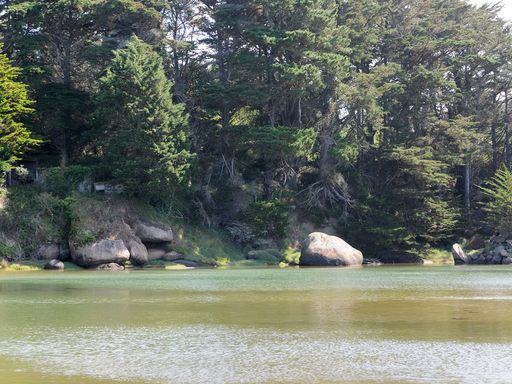

Traouïero Valley
Perros-Guirec / Trégastel
Exploring the magical countryside of the Traouïero Valley is one part of the trail not to be missed. A small stream runs through this deep, wooded valley, which is flecked with blocks of pink... See